Cybersecurity has become a core part of how modern organizations operate. Businesses, government agencies, healthcare providers, technology companies, and critical infrastructure operators all depend on connected systems that can expose sensitive information when poorly protected. As digital threats continue to evolve, organizations need clear ways to identify weaknesses and strengthen their defenses.
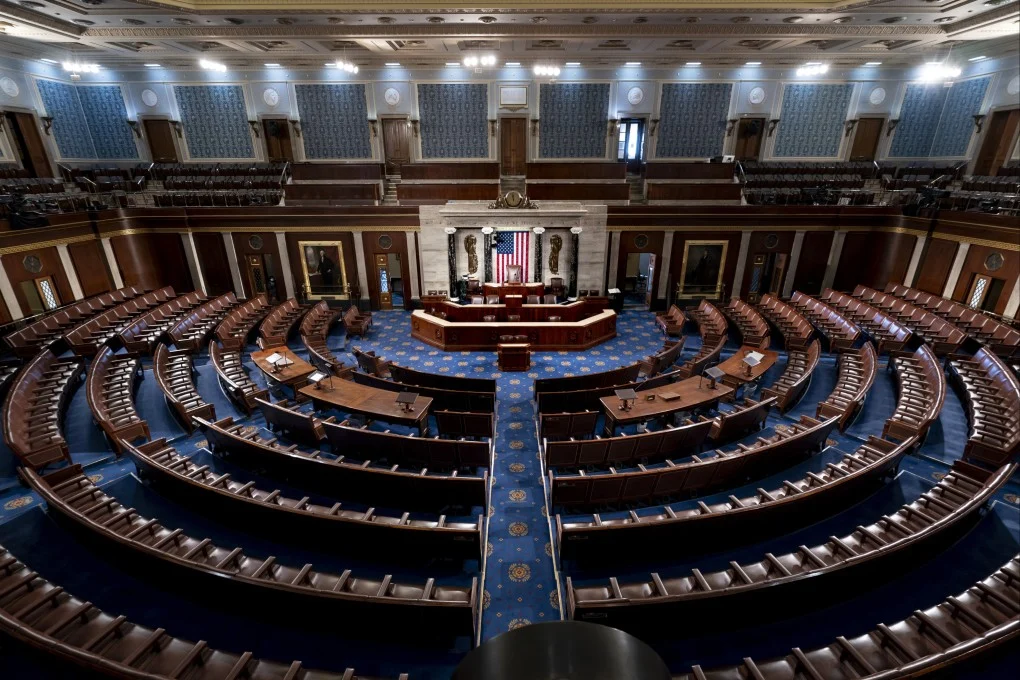
In the United States, Congress has an important role in shaping the wider cybersecurity environment. Its work can influence national security priorities, information-sharing practices, regulatory expectations, and how organizations prepare for emerging digital threats. Rather than focusing only on individual attacks, cybersecurity policy increasingly considers how organizations can build stronger and more consistent defenses.
Why Cybersecurity Standards Matter
Cybersecurity standards provide organizations with a framework for managing digital risk. They can help security teams establish processes for identifying vulnerabilities, controlling access, responding to incidents, and protecting sensitive information.
The idea of a security posture brings many of these areas together. An organization’s security posture reflects how prepared it is to identify and respond to threats across its technology, people, processes, and external relationships.
For businesses, maintaining that posture requires more than installing security software. It involves understanding where data resides, which systems are connected, who has access, and which third parties interact with company infrastructure. Clear cybersecurity standards can help organizations approach those questions in a structured way.
Congress and the Cybersecurity Framework
Congress does not create every cybersecurity standard directly. Technical standards and frameworks are often developed by government agencies and industry organizations, while legislation can establish broader requirements and priorities.
One important example is the Cybersecurity Information Sharing Act of 2015. The legislation established a framework for sharing cyber threat information between private organizations and government entities. Forbes has noted the importance of cybersecurity legislation in maintaining effective information-sharing practices as threats continue to change.
Information sharing matters because cyberattacks rarely affect only one organization. A vulnerability discovered in one company may appear elsewhere, particularly when businesses use similar software, cloud services, or infrastructure. Faster sharing can allow other organizations to identify and address related risks before an incident spreads.
The Growing Challenge of Third-Party Risk
Modern cybersecurity extends beyond a company’s internal network. Organizations increasingly depend on outside vendors for cloud computing, software, payment processing, communications, analytics, and other essential services.
Each relationship can introduce another potential source of exposure. A company may have strong internal controls but still face cybersecurity risks through a supplier with inadequate protections.
That makes vendor risk assessment an increasingly important part of cybersecurity management. Organizations need to understand which external parties have access to systems or information, what controls those companies have in place, and whether their risk profile changes over time.
Congressional attention to cybersecurity can encourage organizations to take these relationships more seriously. It can also reinforce the broader expectation that protecting digital systems requires visibility across the entire technology ecosystem.
Technology Is Changing the Security Equation
New technology is also affecting how organizations approach cybersecurity. Cloud platforms, connected devices, artificial intelligence, and automated systems can improve productivity while introducing new security considerations.
Technology companies are investing heavily in cybersecurity capabilities as demand for digital protection increases. Recent reporting on ServiceNow, for example, has highlighted how cybersecurity demand has become increasingly important to the wider technology market.
AI is particularly significant because it can be used for both defense and attack. Security teams can use AI to identify patterns, analyze large datasets, and detect suspicious activity. Attackers can also use automated tools to make phishing, social engineering, and other attacks more scalable.
That creates pressure for cybersecurity standards to evolve alongside technology rather than remaining fixed for years at a time.
People Remain Part of Cybersecurity
Even strong technical controls can be undermined by human behavior. Employees may use weak passwords, approve suspicious login requests, mishandle sensitive documents, or access company systems from unsecured devices.
Organizations therefore need to consider employee behavior as part of their wider security strategy. Monitoring, training, access controls, and clearly defined policies can all play a role, provided they are implemented responsibly.
The role of employee monitoring is one example of how organizations are examining the relationship between workplace activity and cybersecurity. The objective should be to identify meaningful risks while maintaining appropriate privacy and governance standards.
Online communication adds another layer of complexity. Information can spread rapidly across social platforms, creating challenges for organizations that need to understand how digital behavior can affect reputation, security, and public trust. Broader research into online communication illustrates how quickly digital environments can change.
Building Standards That Can Adapt
Cybersecurity standards work best when they provide structure without becoming disconnected from technological change. Threats can evolve faster than legislation, while new technologies can create risks that did not exist when older rules were introduced.
That means policymakers, security professionals, technology companies, and organizations need to remain aligned. Legislation can establish expectations, technical standards can provide practical frameworks, and businesses can translate those frameworks into everyday security controls.
The relationship between law, technology, and trust is also becoming more important. Discussions around digital trust show how cybersecurity increasingly intersects with broader questions about accountability and responsible technology use.
What the Future May Look Like
Congress will continue to influence the direction of cybersecurity in the United States, but legislation alone cannot secure an increasingly connected digital environment.
Organizations will need to keep improving their visibility, assess third-party risks, update security practices, and prepare for new technologies. They will also need to treat cybersecurity as an ongoing responsibility rather than a one-time compliance exercise.
The future of cybersecurity standards will ultimately depend on how well policy and technology work together. As threats become more complex, organizations will need frameworks that are clear enough to guide action while flexible enough to adapt. Congressional involvement can help establish that foundation, while businesses and security professionals remain responsible for putting it into practice.