Kansas Republican Sen. Roger Marshall appears to be walking back his public support for President Trump’s proposed $5,000 dividend payments to American households.
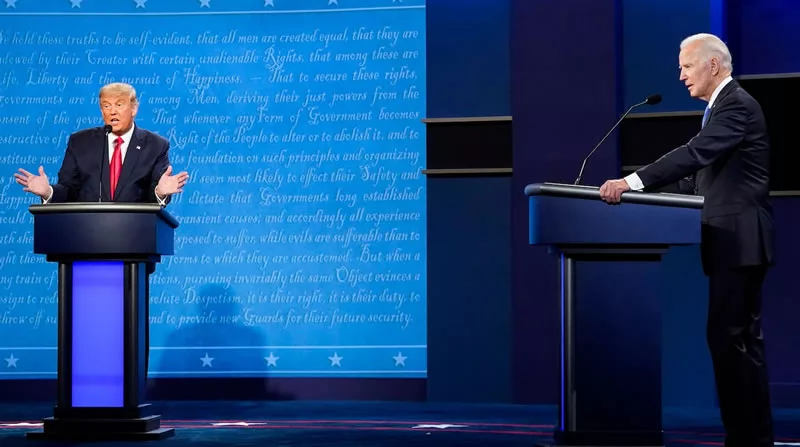
Marshall made the reversal during a debate at the Kansas State Fair, where he faced Democratic opponent Adam Hamilton before a live audience.
A debate moderator pressed both candidates on whether they supported the dividend proposal, citing its estimated $1.2 trillion cost against the backdrop of the growing national debt.
Marshall, who had previously promoted the idea on social media, gave a notably more cautious answer when asked to commit to his position publicly on stage.
“I’m going to bring in all the information, and then make a decision,” Marshall said, signaling he was no longer offering the endorsement he appeared to give just days earlier.
“But look, this is not the first time I’ve disagreed with President Trump, and it probably won’t be the last,” he added, distancing himself from the White House proposal.
Marshall also attempted to redirect the conversation toward economic issues he says he is prioritizing for his home state.
“Instead, I said, I’m going to be focused on Kansas jobs. I’m going to be focused on protecting Kansas agriculture and the Kansas cattle industry,” Marshall continued during the debate.
His on-stage hesitation stands in stark contrast to a post he published Wednesday on social platform X, in which he appeared to enthusiastically back the plan.
“Comment how you will spend your $5,000 Trump Dividend when Republicans win in November,” Marshall wrote, a message that generated attention as an outright endorsement of the proposal.
The reversal raises questions about how Senate Republicans broadly plan to handle Trump’s dividend proposal, particularly as fiscal hawks within the party express concern over its cost.
Hamilton’s campaign, meanwhile, has found some reason for optimism heading into the general election contest against the incumbent senator.
Election handicapper Sabato’s Crystal Ball shifted the Kansas Senate race from safe Republican to likely Republican in August, following Hamilton’s Democratic primary win.
That shift suggests the race may be more competitive than initially expected, though Kansas remains a state with a strong Republican lean heading into the November cycle.
Marshall will need to clarify his position on the dividend proposal as the campaign progresses, particularly as voters and opponents look for consistency on major fiscal policy questions.