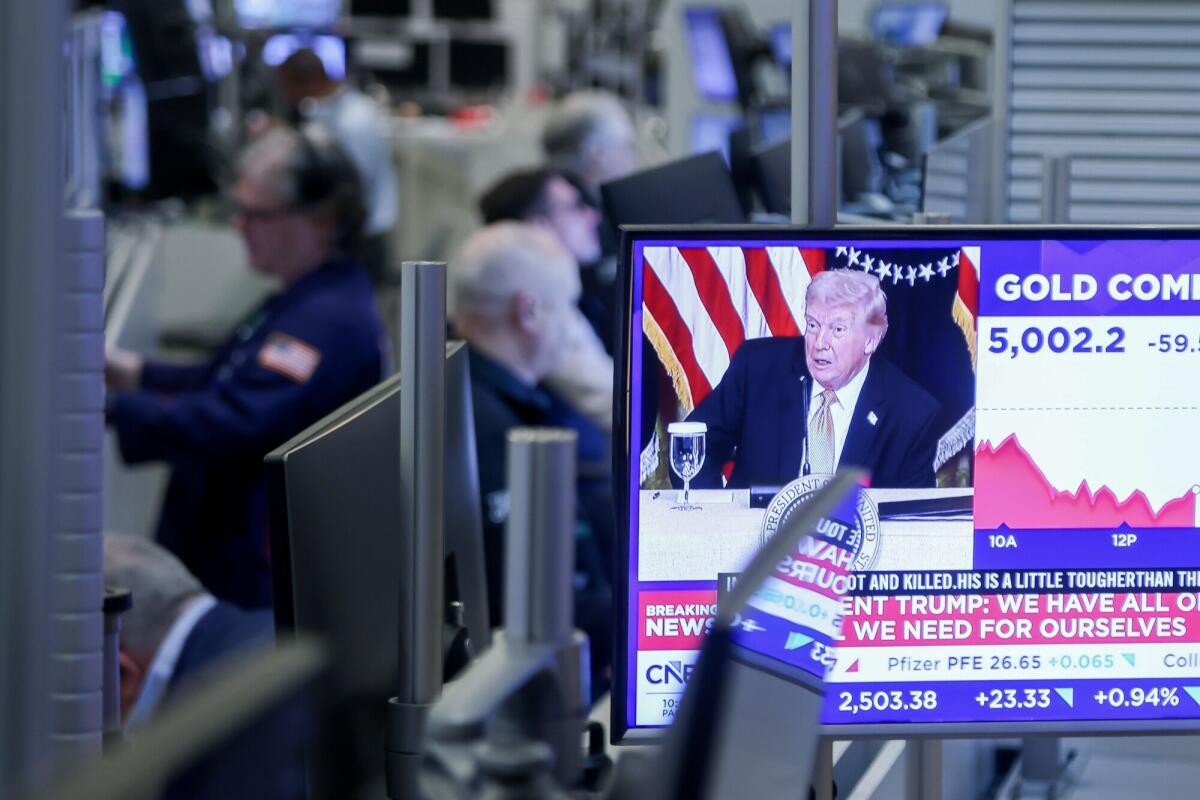
The technology sector endured its steepest selloff of 2026 in early June, with the Nasdaq Composite plunging 4% on June 5 alone.
That single-session decline marked the Nasdaq’s worst performance since April 2025, rattling investors who had grown accustomed to a prolonged AI-fueled rally.
The Philadelphia Semiconductor Index plummeted more than 10% that same day, its worst single-day loss in six years, as panic swept through chip stocks.
Three catalysts converged to trigger the rout: a SemiAnalysis report suggesting Nvidia is slashing memory configurations for its next-generation platform, disappointing forward guidance from Broadcom, and capital being diverted toward SpaceX’s mega-IPO.
The S&P 500 fell 2.6% while the Nasdaq dropped 4.2%, compounding an already difficult session for equity markets broadly.
A stronger-than-expected May jobs report added macro pressure to an already battered sector, with 172,000 nonfarm payrolls added against a forecast of just 80,000.
That blowout jobs number stoked renewed fears that the Federal Reserve could resume rate hikes, a scenario that historically weighs heavily on growth and technology stocks.
The damage across semiconductor names was severe and widespread, with Marvell tumbling 16.7% and both Advanced Micro Devices (AMD) and Intel (INTC) dropping more than 10%.
Nvidia (NVDA) fell 6.2% on the session, shedding over $300 billion in market capitalization in a single trading day.
Micron (MU), one of the most widely held stocks among retail investors, was the worst performer in the entire S&P 500 on June 5, marking its biggest one-day decline since April 2025.
Filings showed 65 discretionary transactions between March and June consisting entirely of sales, reinforcing a cautious posture heading into Micron’s fiscal third-quarter earnings report scheduled for June 24.
Despite the severity of the selloff, most analysts view this correction as a necessary valuation reset rather than the collapse of the artificial intelligence-driven bull market that has dominated Wall Street for the past two years.