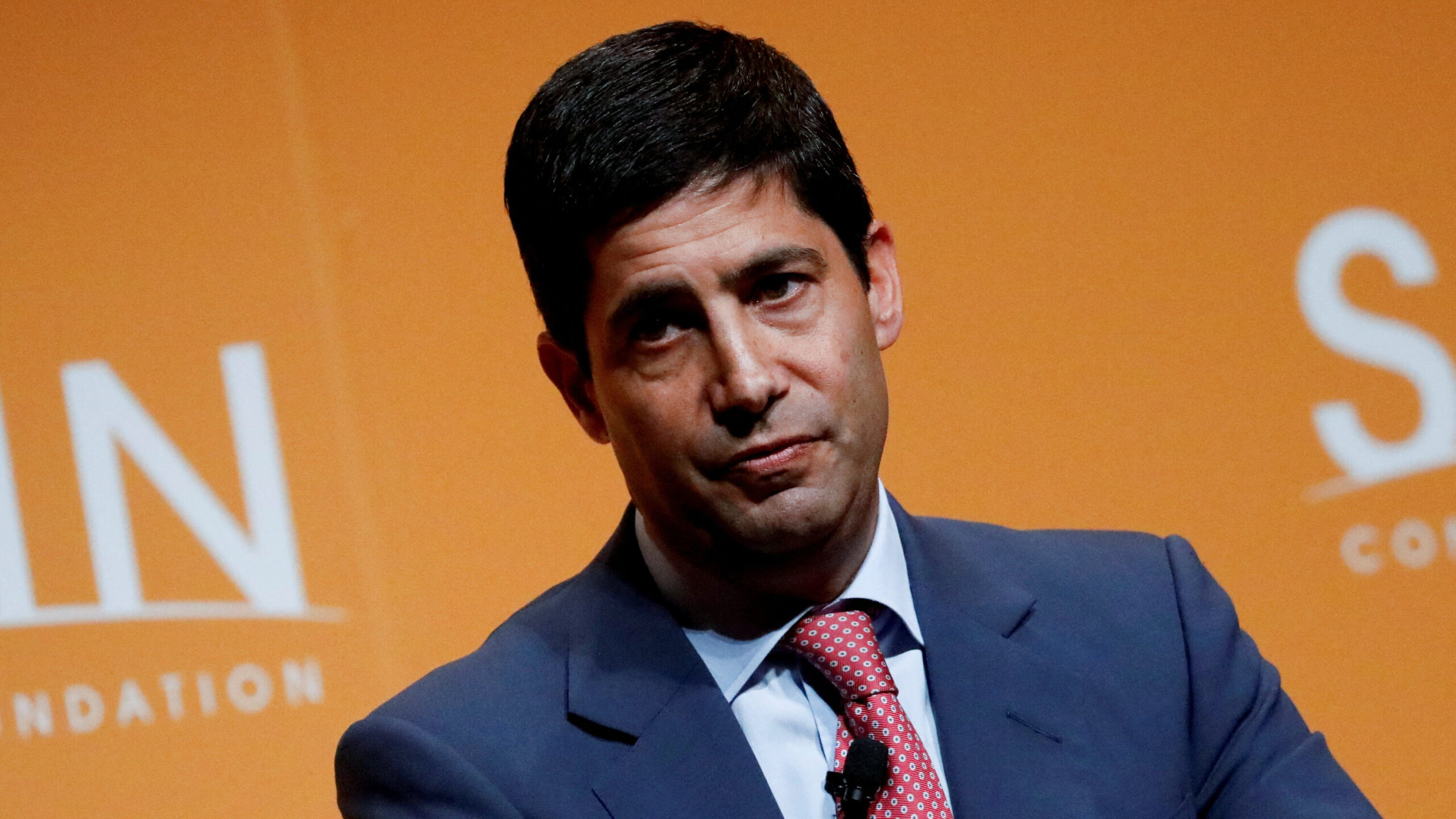
The full United States Senate is expected to vote this week on the confirmation of Kevin Warsh as the next chair of the Federal Reserve, with the confirmation likely to land before Jerome Powell’s term as chair expires on May 15.
The vote would make Warsh the 17th Fed chair in history and place him at the helm of the world’s most influential central bank at a time of sustained inflation pressure, a geopolitically driven energy shock, and contested questions about monetary policy independence.
The Senate Banking Committee advanced Warsh’s nomination in a 13-11 party-line vote in late April, the first fully partisan committee vote on a Federal Reserve chair nominee in the panel’s history. Every Republican on the committee voted in favour, every Democrat voted against. The partisan split reflects the wider context of Warsh’s nomination, which came after Trump publicly threatened to fire Powell for not cutting interest rates aggressively enough and after the Justice Department launched, and then dropped, a criminal investigation into the sitting Fed chair in what critics described as an effort to clear the path for Warsh.
Democratic Senator Elizabeth Warren led opposition on the committee, warning that approving Warsh “will bring the president one step closer to completing his illegal attempt to seize control of the Fed and to artificially juice the economy.” Republican Senator Thom Tillis of North Carolina, whose earlier hold on the nomination created genuine uncertainty, confirmed his support after the DOJ announced it was ending the Powell probe. “I’ve got confidence that this investigation is over,” Tillis said.
Former Federal Reserve economist Claudia Sahm offered a sobering assessment of what Warsh’s tenure might look like, telling Fortune magazine: “This is not normal is going to be a theme. Frankly, it could be a theme for Warsh’s tenure as Fed chair.” Sahm pointed specifically to Warsh’s confirmation hearing, where he made jokes in response to pointed questions from Democratic senators about Trump’s economic record, calling it “a disrespect I have never seen a Fed Chair show in testimony.”
Warsh, a former Fed governor from 2006 to 2011, has previously described the 2022 inflation spike to 9.1% as the central bank’s biggest policy mistake in four decades, a line of criticism that aligned him with Trump’s broader narrative about Powell’s failures. In his prepared opening statement to the committee, Warsh wrote that he did not believe monetary policy independence was particularly threatened when elected officials state their views on interest rates, a framing that Democrats argued opened the door to direct presidential influence over rate decisions.
The Federal Reserve held rates steady at its most recent meeting, with Powell presiding over what was widely expected to be his final rate decision as chair. Powell previously indicated he plans to remain on the Fed’s board of governors after his chair term ends, a move that would deny Trump an additional board appointment but keep the institution’s institutional knowledge intact through the transition.
If Warsh is confirmed this week, he would take the chair at the June 16-17 meeting. The first decision of his tenure, whether to hold, cut, or raise rates in an environment of war-driven energy inflation and a labour market showing signs of resilience, will set the tone for a Federal Reserve leadership period likely to be among the most politically scrutinised in the institution’s modern history.