Florida motorists are paying more at the pump than at any point since July 2022 after a dramatic 40-cent single-week surge pushed the state average to $4.34 per gallon, a price spike directly tied to the ongoing US-Iran conflict and the sustained disruption of the Strait of Hormuz that has sent global oil markets into a prolonged period of instability.
According to AAA, Florida’s average gasoline price climbed from $3.94 on a Monday to $4.34 by Sunday in the week ending May 3, the steepest weekly gain the state has seen in years. The jump followed a 13% increase in crude oil prices and a 46-cent rise in gasoline futures as markets responded to renewed uncertainty over the conflict’s trajectory and continued doubts about whether the Strait of Hormuz would reopen to normal shipping traffic.
Since the day before the conflict began in late February, Florida drivers have absorbed a $1.46 per gallon increase, rising from $2.88 to $4.34. For a standard-sized tank, that adds approximately $22 to every fill-up, a compounding cost that is increasingly straining household budgets across the state.
Miami and South Florida have tracked closely with the state average, though some of the region’s busiest areas are running above it. The West Palm Beach-Boca Raton corridor is among the most expensive markets in Florida at $4.50 per gallon, while the statewide picture is further complicated by pockets of even sharper pricing. A Miami Beach station was reported charging $5.39 per gallon at an earlier peak in the conflict before prices temporarily eased during a brief ceasefire that ultimately did not hold.
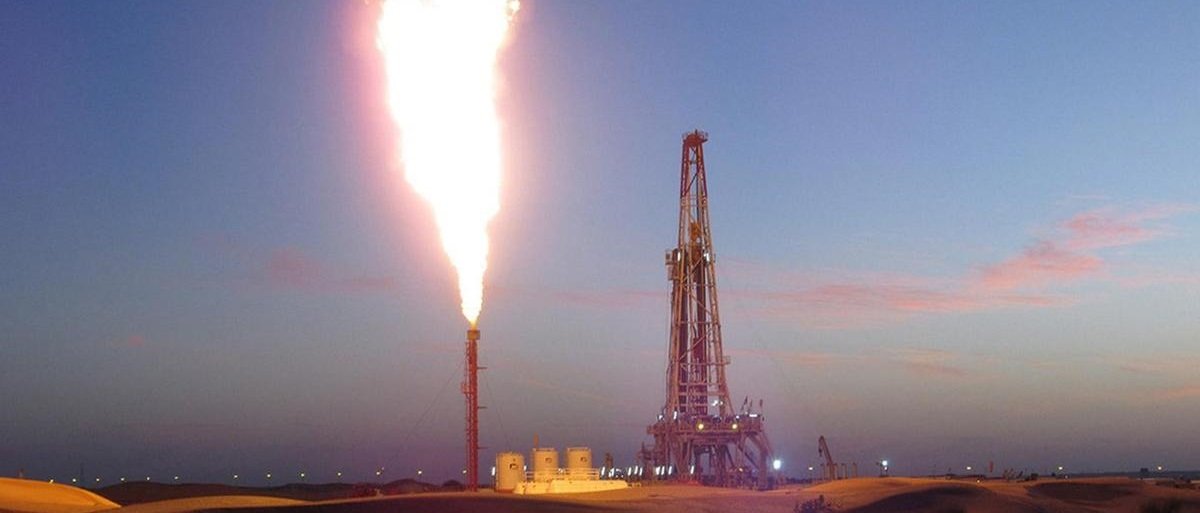
AAA spokesperson Mark Jenkins attributed the latest round of increases directly to market anxiety over the Hormuz situation. The vital waterway normally carries between 20% and 25% of the world’s oil supply, and its effective closure has been described by the International Energy Agency as the most significant supply disruption in the history of global oil markets.
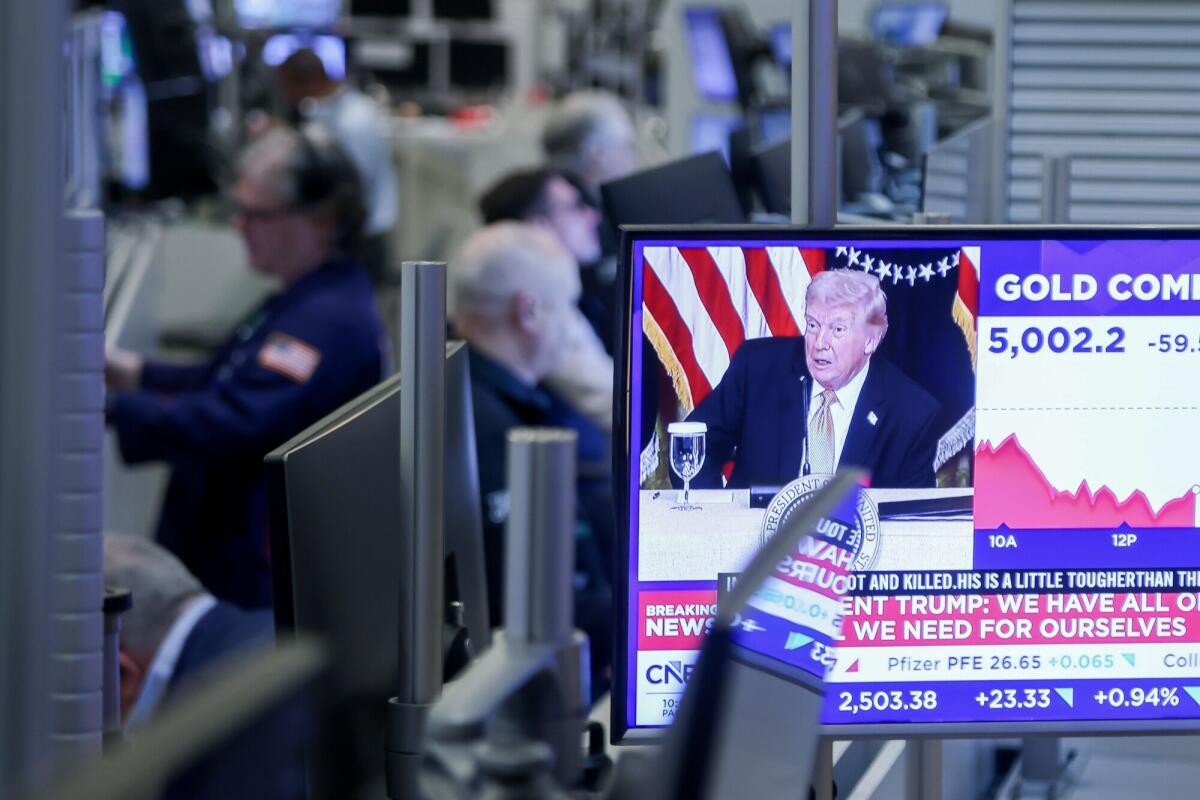
The political backdrop has intensified consumer frustration. A recent NPR/PBS News/Marist poll found that 63% of Americans blame President Trump for the current spike in gas prices, including a third of Republican respondents. More than 80% said rising fuel costs are straining their household budgets. Energy Secretary Chris Wright responded this weekend by telling NBC’s Meet the Press that the administration is “open to all ideas” to bring prices down, including a potential suspension of the federal 18-cents-per-gallon gas tax.
Florida’s statewide average has since edged toward $4.46 as of the latest AAA readings, suggesting the upward trajectory has not yet reversed. Analysts warn that even a lasting resolution to the conflict would not produce an immediate price recovery, as the structural disruption to global shipping routes and the embedded risk premium around the Hormuz corridor are expected to persist for months.