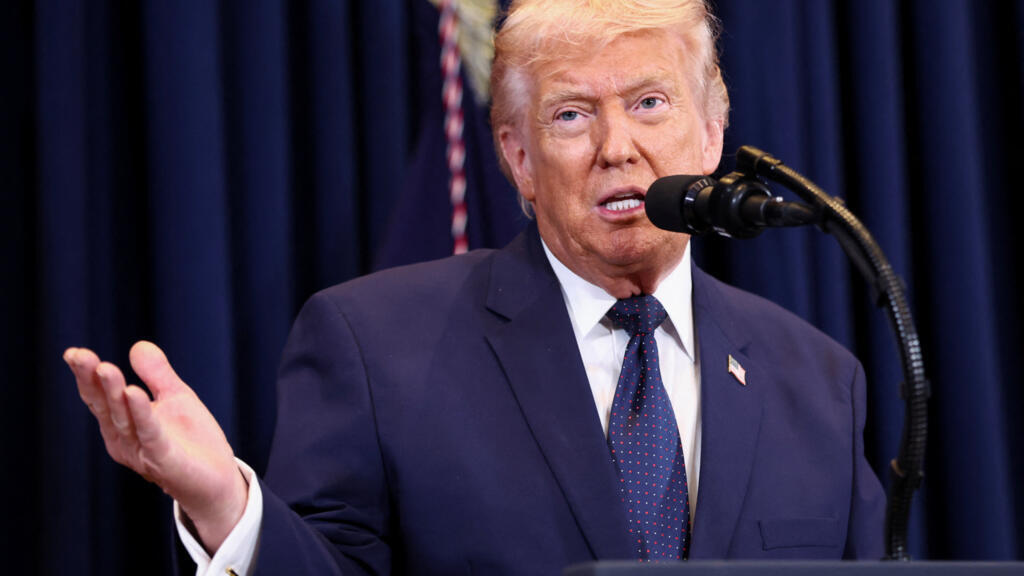
The Trump administration finds itself managing multiple domestic controversies simultaneously with the Iran war diplomacy, after an executive order on automatic selective service registration for American men attracted significant national attention and the president posted an AI-generated image likening himself to Jesus Christ, drawing criticism from conservative religious commentators as well as his political opponents.
The automatic draft registration order represents a substantial expansion of federal reach into the lives of young Americans, requiring that men be registered for selective service without the need for individual submission that previous generations navigated. The order drew immediate analysis from legal and civil liberties organisations assessing what obligations this creates and under what circumstances the administration might activate the selective service system given the ongoing military operations in the Middle East.
Trump’s posting of the AI image depicting himself in a Christ-like manner caused a more unusual kind of controversy, with Catholic Vice President JD Vance breaking his silence on the matter to address concerns raised by other conservatives. The episode highlights the tension between the administration’s religiously conservative base and the president’s own inclination toward self-aggrandising imagery that some within that base find theologically troubling.
Vance has emerged as the most publicly visible figure in the Iran diplomacy, having led the Islamabad delegation and communicated directly with the American public about the status of the negotiations through media appearances. His credibility in that role is tied to outcomes rather than optics, and with the ceasefire expiring on Tuesday, the vice president’s diplomacy will be judged by results in the coming days.
The political context for the Iran war is complex. Trump administration officials are not keen to see fighting resume, according to reporting from CNN, partly because the conflict has been unpopular with the American public and partly because its economic effects, including oil prices that are running approximately 30% above pre-war levels, are creating inflationary pressure that the Federal Reserve is monitoring carefully.
House Democrat Sam Liccardo has separately opened a probe into suspicious oil trading during the conflict period, an inquiry that touches on concerns about insider trading on commodity markets at a time when information about ceasefire negotiations and diplomatic progress was highly asymmetric between government officials and market participants. Prediction market platform Kalshi and its rival Polymarket are also facing congressional scrutiny after anonymous traders made substantial profits on contracts tied to the Iran ceasefire agreement.
The policy environment in Washington reflects the broader strain of managing an active military conflict, a consequential earnings season on Wall Street, and a domestic political calendar that shows no signs of simplifying. With key legislation, executive orders, and international negotiations all converging in the same compressed period, the administration’s capacity to maintain coherent messaging across all fronts is being tested simultaneously on multiple dimensions.