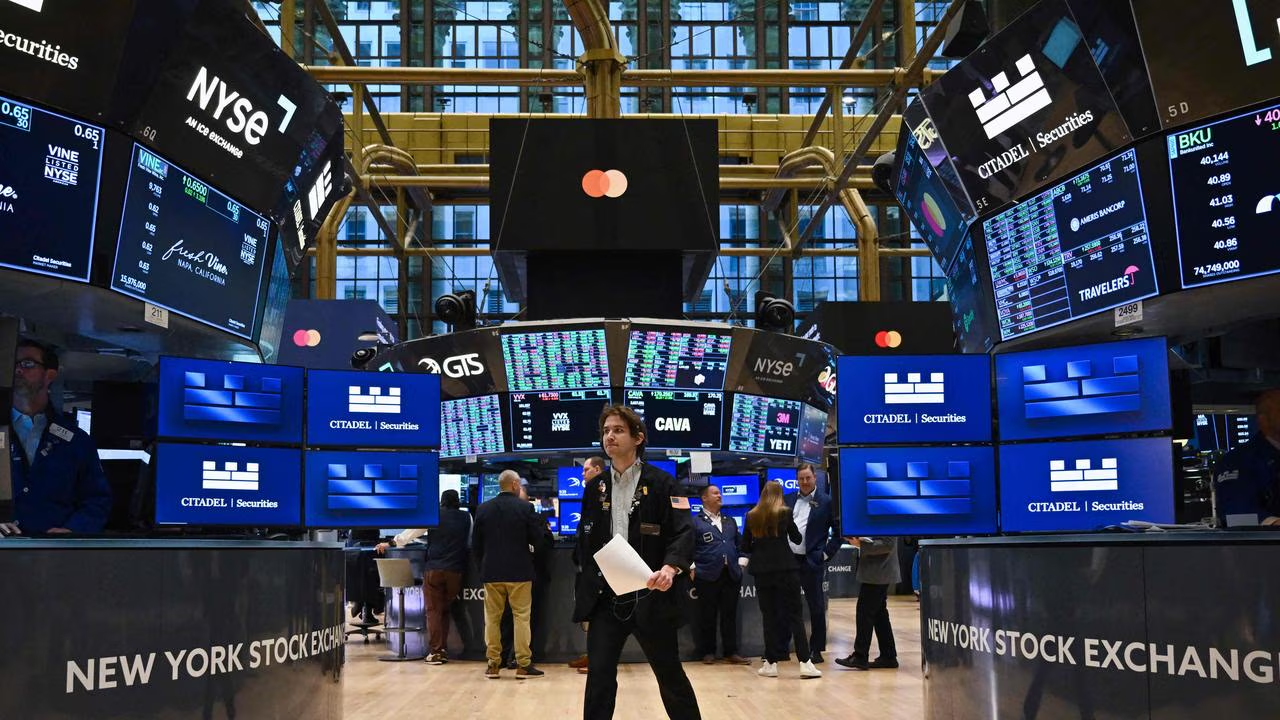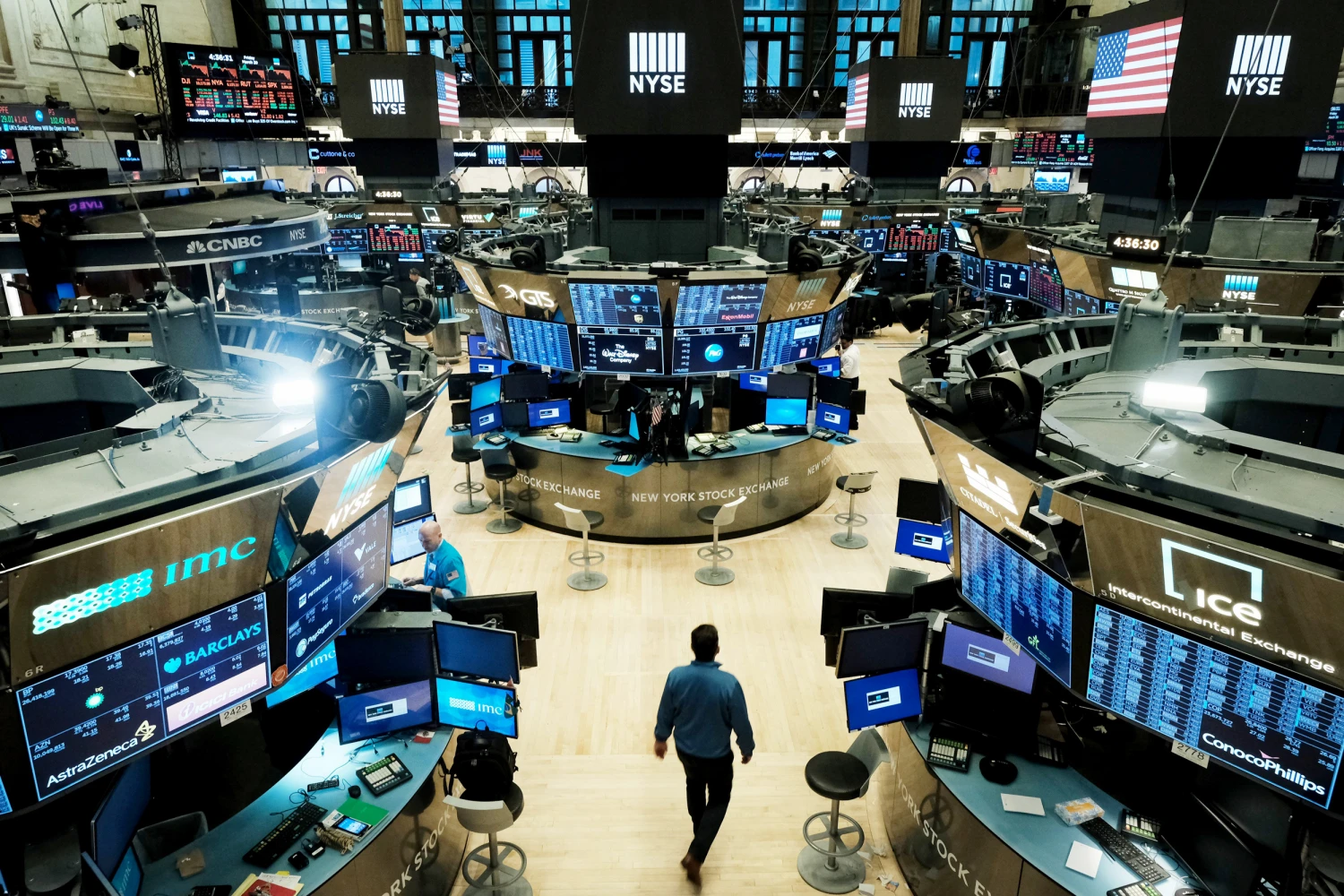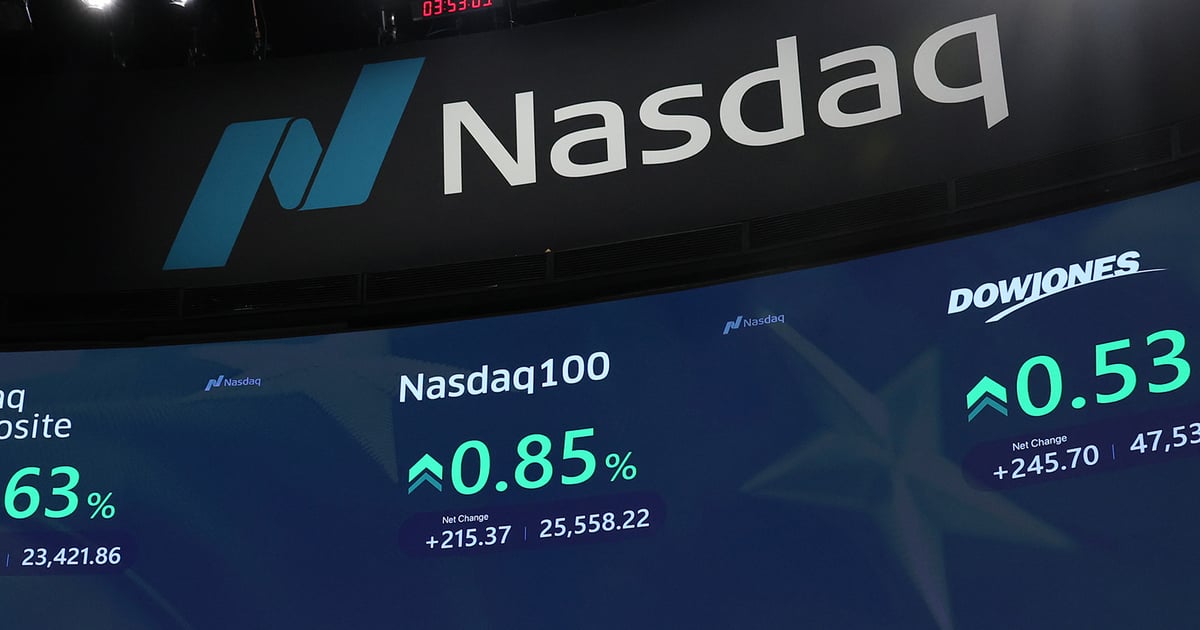
The S&P 500 rose 0.58 percent to a new all-time closing high of 7,444.25 on Wednesday, as the Nasdaq Composite gained 1.2 percent to 26,402.34, both indexes extending their record streaks despite a hotter-than-expected producer price index reading for April. The Dow Jones Industrial Average moved in the opposite direction, shedding 67.36 points, or 0.14 percent, to finish at 49,693.20.
Technology was again the session’s standout sector, driven by Cisco Systems’ blockbuster quarterly report and a rally in semiconductor names that has become the dominant trade of 2026. Nvidia (NASDAQ: NVDA) closed higher by more than two percent, while Micron Technology (NASDAQ: MU) gained more than four percent.
The VanEck Semiconductor ETF advanced two percent on the day, even as roughly two-thirds of S&P 500 components finished lower, underscoring how concentrated the market’s strength remains around a handful of AI-linked names.
April’s producer price index rose 1.4 percent on a seasonally adjusted basis for the month, significantly above the 0.5 percent Dow Jones consensus forecast and the upwardly revised 0.7 percent March reading. On an annual basis the index ran at six percent, the largest increase since December 2022. Energy prices linked to the US-Iran conflict are a key driver of pipeline inflation, and the reading adds pressure on the Federal Reserve to hold rates higher for longer even as broader economic growth remains relatively firm.
The session also had a significant political backdrop. President Trump’s trip to Beijing, accompanied by a delegation of business leaders including Nvidia CEO Jensen Huang, raised hopes among tech investors that restrictions on advanced chip exports to China could eventually be eased. Huang’s last-minute addition to the Air Force One delegation in Alaska was widely noted across markets as a signal that semiconductor policy could form part of broader US-China trade negotiations.
Morgan Stanley raised its year-end target for the S&P 500 to 8,000 from 7,800 in the session, citing an unexpectedly strong earnings season. Approximately 83 percent of S&P 500 companies that had reported results up to May 8 beat analyst estimates, far above the historical average for a quarterly season. First-quarter profits for the index grew 27 percent, more than double the 12 percent analysts had projected coming into earnings season.
Kevin Warsh was confirmed by the Senate as the next Federal Reserve chair during Wednesday’s session. He will succeed Jerome Powell whose term ends Friday. Markets reacted relatively calmly to the confirmation, with attention focused more on the earnings pipeline and AI-driven momentum than on the change in leadership at the central bank. Nvidia’s own earnings report, scheduled for May 20, is increasingly being framed by analysts as the single most important market event of the next two weeks.
S&P 500 futures rose 0.13 percent early Thursday, with Nasdaq 100 futures up 0.07 percent and Dow futures adding 115 points. Cisco’s extended gains from the prior evening were expected to carry through to the open, providing a fresh catalyst for a session that also brings Applied Materials’ earnings after the close.