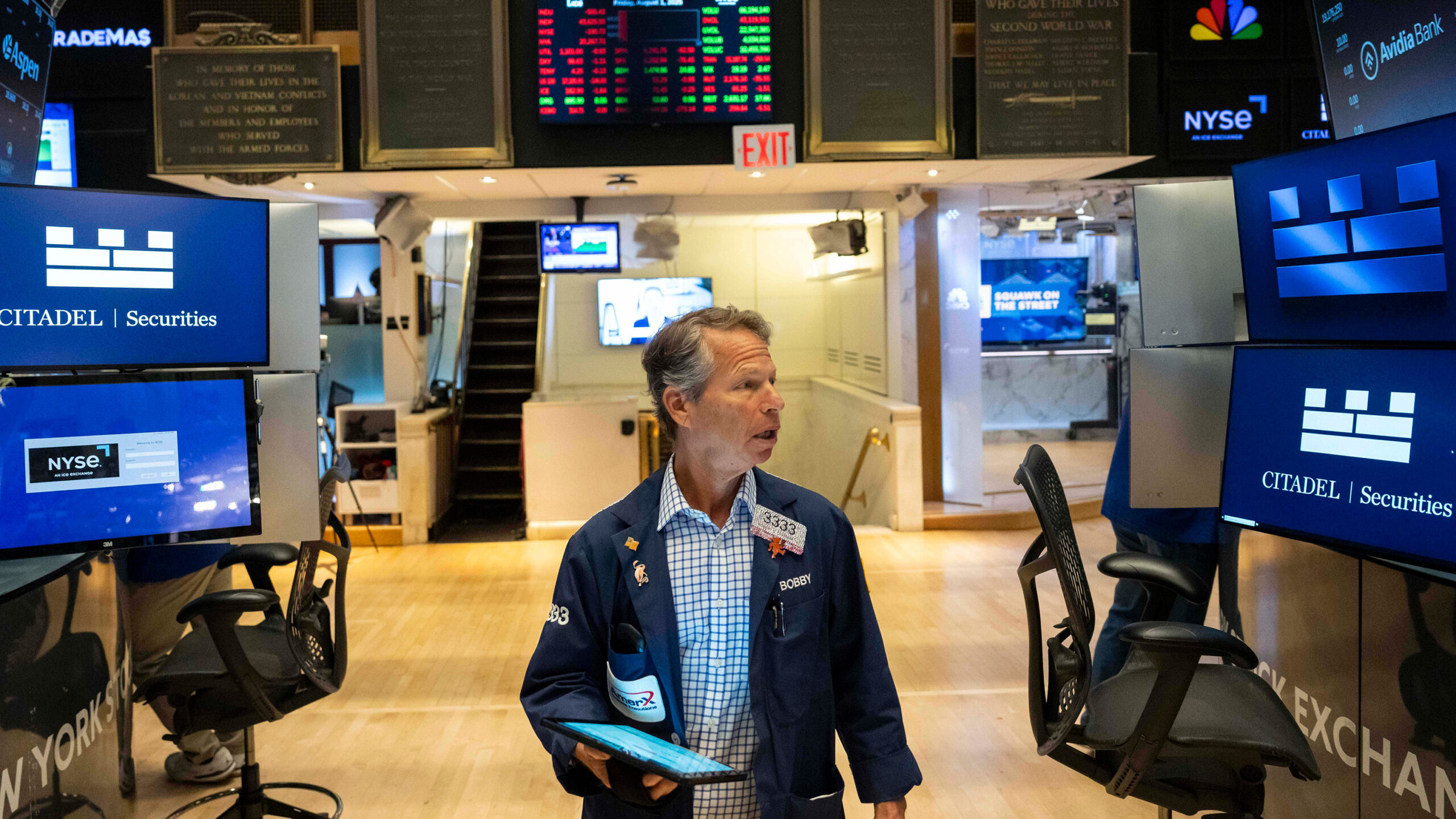
US technology and semiconductor stocks suffered a significant reversal on Tuesday after April’s consumer price index came in hotter than expected, confirming that the Iran war’s energy shock is feeding through to broader consumer prices and eliminating what little remained of market expectations for a Federal Reserve rate cut in 2026.
The Nasdaq Composite fell 1.7% and the S&P 500 dropped 0.8%, reversing Monday’s record-setting session as traders rapidly repriced inflation expectations and moved out of risk assets that had surged over the prior six weeks.
Annual headline consumer inflation rose to 3.8% in April, the highest reading since May 2023 and slightly above the consensus forecast of 3.7%. Core CPI, which strips out food and energy, climbed 0.4% month-on-month against an expected 0.3%, the sharpest monthly core reading since late 2024. The data reinforced a macro picture that has been building since the Strait of Hormuz closure in February: elevated energy costs are no longer contained to the pump but are filtering into goods pricing, services inflation, and ultimately wage expectations.
Qualcomm [NASDAQ: QCOM] led the chip sector selloff with a decline of more than 13%, putting it on course for its worst single session since 2020. The drop followed a session in which the stock had hit a record high, making the reversal especially sharp in percentage terms. Intel [NASDAQ: INTC], which has rallied approximately 430% over the past year on AI-driven demand for legacy semiconductor infrastructure, fell 9%. Skyworks Solutions and On Semiconductor each shed more than 6%, while the iShares Semiconductor ETF tracking the broader sector dropped 5%.
The Philadelphia Semiconductor Index, known as the SOX, declined 3% on Tuesday but remains up approximately 60% year-to-date, a figure that illustrates just how compressed Tuesday’s selloff is in the context of the sector’s broader 2026 run. Analysts pointed to profit-taking as a secondary factor alongside the inflation data, with many chip names having surged dramatically in the weeks prior on a combination of AI-driven earnings beats and supply-chain optimism.
CME FedWatch data showed markets on Tuesday morning pricing in a 98% probability of the Fed holding rates steady at the June 16-17 meeting, but the probability of a rate hike by December climbed to nearly 30%, a significant shift from the near-zero readings just two weeks ago. Some traders and analysts are now openly discussing the possibility of a tightening cycle resuming if oil prices remain above $100 per barrel for an extended period. As one analyst at FX Empire put it plainly, WTI crude above $101 is the engine behind the inflation re-acceleration and nothing on Tuesday changed the supply picture.
West Texas Intermediate crude settled 4.19% higher at $102.18 per barrel, while Brent crude rose 3.42% to settle at $107.77, building on Monday’s gains after Trump called the Iran ceasefire “on massive life support” and dismissed Tehran’s latest counterproposal. The Dow Jones Industrial Average, with less tech weighting, managed a marginal gain while the broader indices retreated, reflecting the specific concentration of the selloff in growth and technology sectors rather than industrials and energy, where stocks continued to benefit from elevated crude prices.