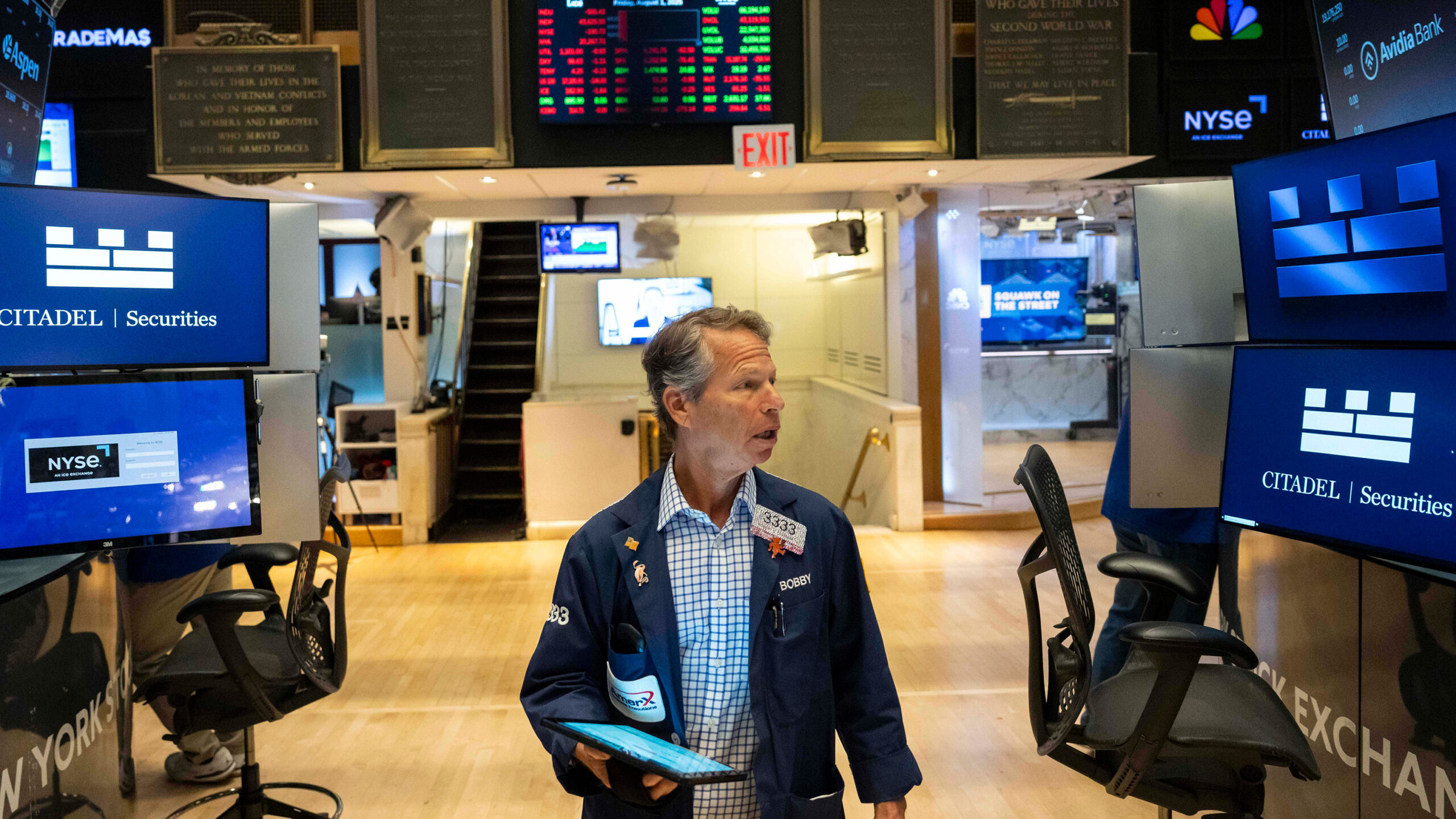
Wall Street is confronting a new and uncomfortable reality: delivering strong earnings results no longer guarantees a stock will move higher after the report.
Across the market, companies are announcing record-breaking quarters, beating analyst expectations on both revenue and profit, and still watching their share prices decline in the aftermath.
The standard by which success is judged has shifted dramatically, and performance alone is no longer the metric that moves markets.
What matters now is whether a company performs even better than the most optimistic expectations already baked into its valuation before a single result is reported.
A major earnings beat might leave a stock completely flat, while a solid beat can still produce a decline of five percent or more in a single session.
A genuine disappointment, meanwhile, can erase years of accumulated gains before the trading day is even over.
This pattern points to a broader structural problem entering the current earnings season: many stocks were priced for near-perfect execution, and perfection leaves very little room for additional upside surprise.
For the second quarter of 2026, S&P 500 companies are expected to report aggregate earnings growth of 23.4 percent from a year ago, substantially above the 15.2 percent growth that had been expected when the year began.
Projections for the remainder of 2026 have also risen sharply, compounding the problem by setting an extraordinarily high bar that companies must now clear just to meet expectations.
When expectations rise this fast and this far, the margin for error shrinks to nearly zero, and even genuinely good results can register as a disappointment in relative terms.
“Today, after the market’s run to record highs, good results are not always good enough,” as one analyst framed the prevailing dynamic shaping investor reactions this season.
Companies that fall even slightly short of Wall Street’s elevated bar are being punished swiftly and severely, with selloffs that reflect how little tolerance investors now have for any miss.
The broader message running through this earnings season is already clear: the beat-and-raise playbook that reliably rewarded companies for years has lost much of its predictive power.
Investors are no longer simply asking whether a company grew its earnings. They are asking whether the company grew them fast enough to justify valuations that were already pricing in an optimistic future.
That shift in calculus represents a meaningful change in how equity markets are functioning, and strategists say it could persist as long as valuations remain stretched relative to historical norms.