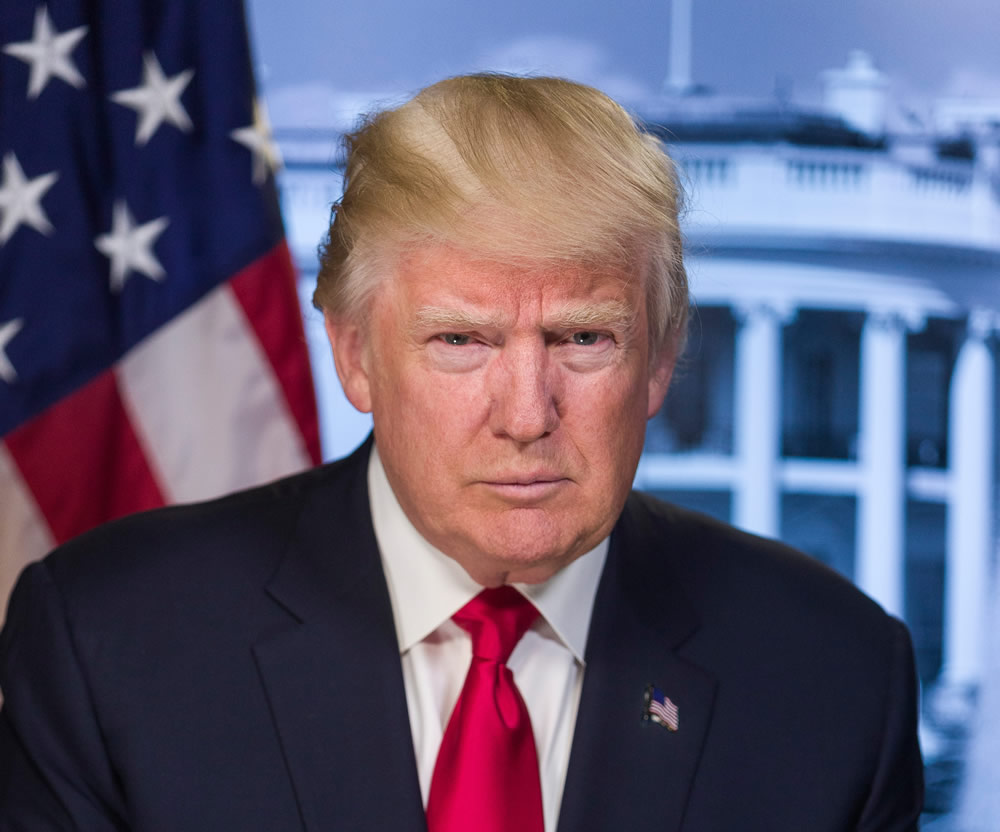
Congressional Democrats spent the past week navigating an Iran crisis that has produced some of the most extreme presidential rhetoric in recent American political history, with several lawmakers openly questioning whether Trump is fit to continue in office and calling for the invocation of the 25th Amendment.
The flashpoint came on Easter Sunday when Trump issued a profanity-laden threat to destroy Iran’s power plants and bridges — actions that legal experts described as potentially constituting war crimes under international law.
Congresswoman Yassamin Ansari, who is of Iranian descent, said directly that the president posed a national security risk. “The President of the United States is a deranged lunatic, and a national security threat to our country and the rest of the world,” Ansari wrote in a post on social media.
The call to invoke the 25th Amendment, while unlikely to advance given Republican control of Congress, reflects the depth of concern among Democratic lawmakers about the escalating nature of Trump’s public communications during a live military conflict.
Republicans, by contrast, have broadly stood behind the president. Senator Lindsey Graham defended the threats to strike civilian infrastructure as a strategic tool to prevent Iran from reconstituting its capabilities. Congressman Don Bacon accused war critics of living in a “bubble” and cited Iranian-backed attacks on American personnel since 1979 as justification for the current campaign. The party-line character of the debate is strikingly consistent, with only isolated Republican voices expressing concern about the open-ended nature of military commitments.
Senator Mark Warner, the top Democrat on the Senate Intelligence Committee, told CNN that US intelligence now indicates Iran’s current leadership is “even more radical” than the officials killed earlier in the conflict. He expressed support for continued diplomacy but was blunt about his confusion over the blockade strategy. “I hope they would continue these negotiations,” he said. “But I don’t see how — 40-plus days into this war — that we are safer, that our allies are safer.”
The domestic political cost of the war has been rising incrementally. Oil prices have driven gasoline above $4 a gallon in many parts of the country, and March CPI data showed the largest monthly gain since 2022, driven primarily by energy costs. These are the conditions in which political coalitions become unstable, and the collapse of the Islamabad talks on Sunday will intensify scrutiny of whether the administration has a coherent endgame beyond maximalist demands that Tehran has shown little willingness to meet.