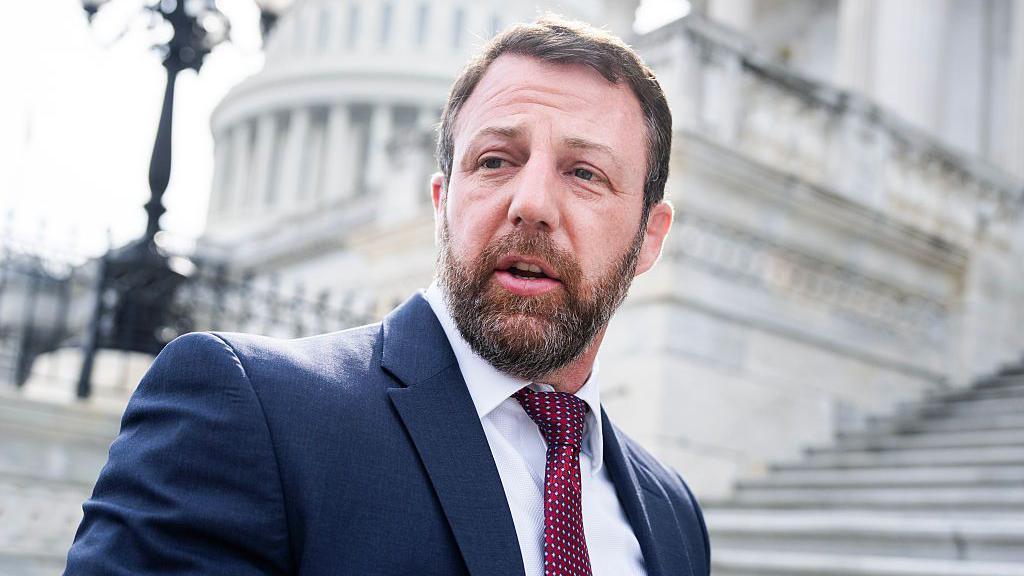
Markwayne Mullin was sworn into office as the ninth Secretary of the Department of Homeland Security on Tuesday in an Oval Office ceremony administered by Attorney General Pam Bondi, the day after the Senate confirmed his nomination in a 54-45 vote. His arrival at DHS comes at one of the most turbulent moments in the agency’s history, with the department having been shut down since February 14 and over 100,000 employees working without pay.
Mullin, a Cherokee Nation member and former undefeated MMA fighter who had been serving his first Senate term from Oklahoma, replaces Kristi Noem — whose removal was triggered by her handling of two fatal DHS shootings during immigration operations in Minneapolis in January.
Two Democrats crossed the aisle to confirm him: Pennsylvania’s John Fetterman and New Mexico’s Martin Heinrich. The sole Republican vote against came from Senate Homeland Security Committee chair Rand Paul, who raised concerns about Mullin’s temperament and past remarks that bordered on endorsing violence against political opponents.
In his confirmation hearing, Mullin made a notable concession that buoyed moderate Democrats: he committed to using judicial warrants rather than administrative warrants for home raids and business entries, a key Democratic demand. That gesture generated cautious optimism, though Democrats were quick to clarify that their opposition to DHS funding was about policy, not personnel — and Mullin’s arrival alone will not unlock the deal.
Trump’s own position shifted notably on Tuesday. After spending the weekend adding the SAVE America Act — an elections bill entirely unrelated to homeland security — as a precondition for any DHS deal, the White House reversed course, indicating the president would accept a funding framework that separates out ICE enforcement operations from the rest of the department. “Conversations are ongoing, but this deal seems to be acceptable,” a White House official told the Washington Times.
Senate Minority Leader Chuck Schumer was sceptical, having accused Trump just days earlier of “trying to sabotage negotiations” with the SAVE Act demand. Senate Majority Leader Thune threatened to cancel the upcoming Easter recess unless a deal is finalised. Airport queues continue to lengthen as TSA staffing shortages worsen — a visible, tangible consequence of the standoff that is beginning to test public patience on both sides of the political divide.