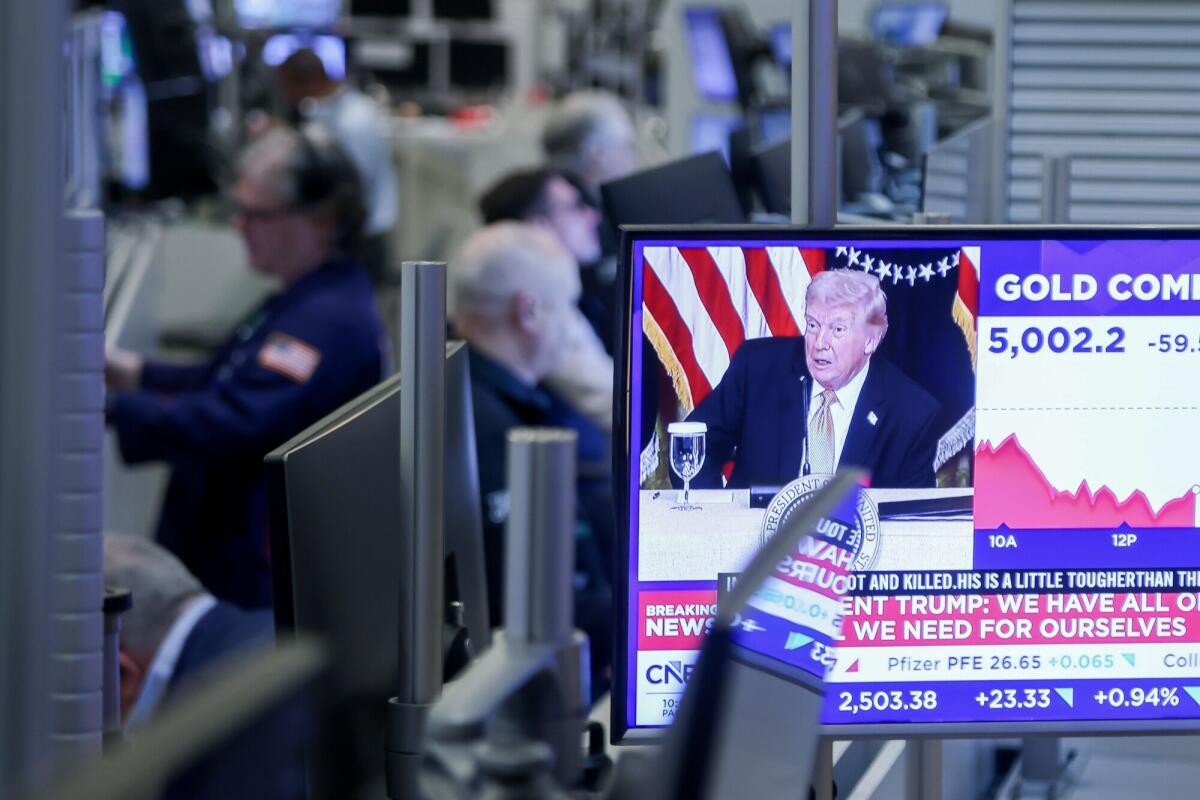
Monday was the most consequential day for US markets since the Iran war began on March 1, and it started not with a policy announcement or a diplomatic breakthrough, but with a Truth Social post.
Trump wrote that the US and Iran had held talks, that strikes on power plants were being postponed five days, and called the discussions “very good and productive.” The Dow surged 631 points. Oil fell 11%. Bitcoin jumped 5%.
Within hours, Iran’s news agency denied any talks had taken place, directly contradicting the presidential account. The White House did not walk back its version of events.
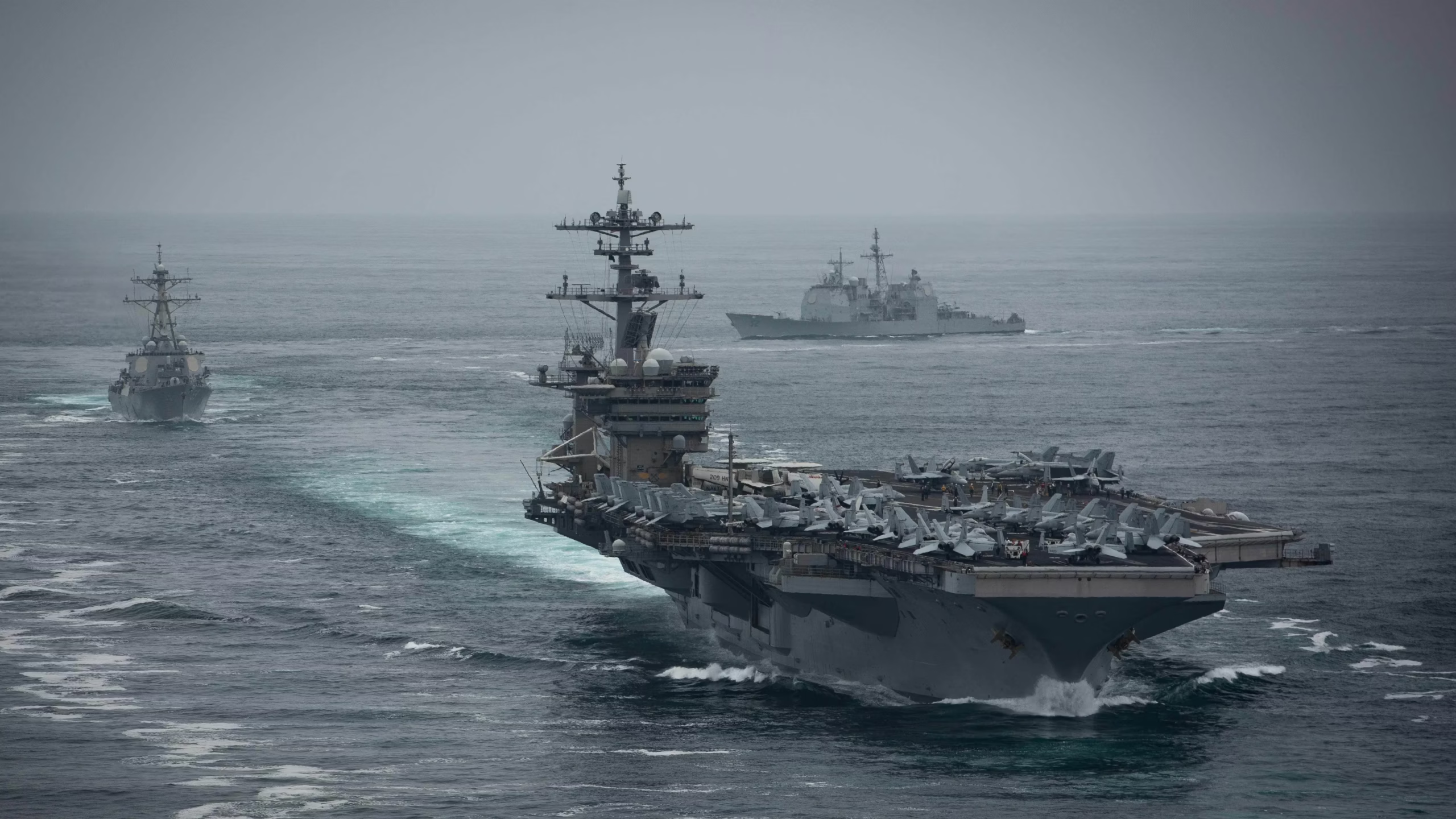
By Tuesday, the WSJ was reporting that Saudi Arabia and UAE were inching toward joining the military coalition against Iran — a development that, if accurate, represents a major escalation rather than a wind-down.
The pattern of contradictory signals is not new. Last Friday, Trump told reporters the US was “considering winding down” operations and had “virtually accomplished” the original mission. Less than 24 hours later, he issued a 48-hour ultimatum threatening to obliterate Iran’s power plants if the Strait of Hormuz was not reopened.
The market’s reaction on Monday showed just how much pent-up demand exists for good news. At the same time, Monday-to-Tuesday’s reversal showed how quickly that relief unwinds when the geopolitical picture refuses to simplify.
The war is now in its fourth week. Thirteen US military personnel have died. More than 230 have been wounded. The White House has asked Congress for $200 billion in emergency war funding — a request that remains unanswered.
Republicans in Congress are increasingly vocal about the need for clarity. Senator Thom Tillis told the Associated Press directly: “The real question is: What ultimately are we trying to accomplish?”
Intelligence officials testified to Congress this week with assessments that diverged from White House talking points in several key areas — particularly on whether the administration was warned about how Iran would likely retaliate, and on whether regime change was a stated objective of the operation.
For investors, the situation Larkin described at E-Trade is accurate: it remains “a headline-driven market.” The economic calendar this week is light. What happens in the Strait of Hormuz will do more to move equities than any earnings report.