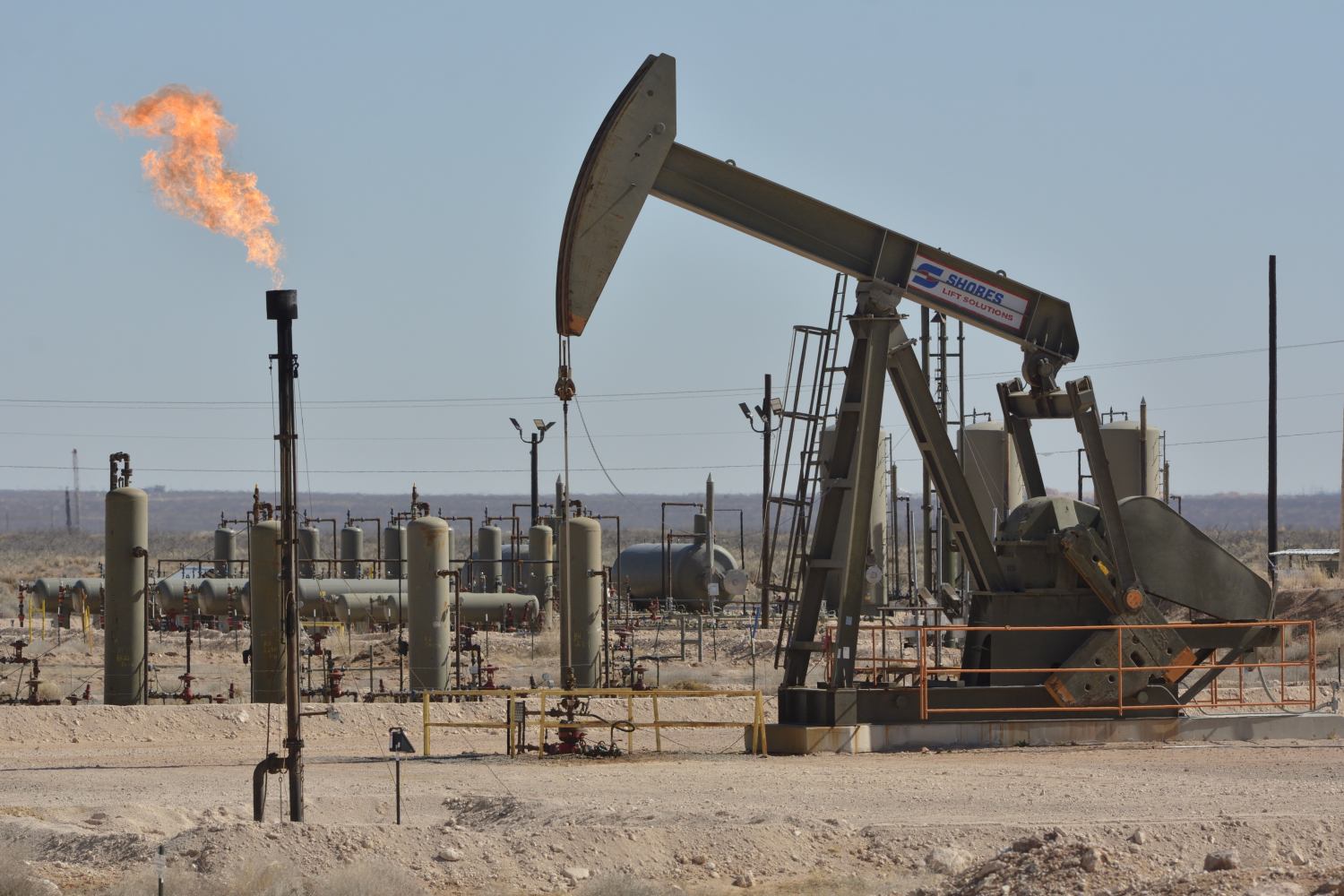
Oil markets were jolted after OPEC+ agreed to raise output by 206,000 barrels per day from April, even as shipping disruptions intensified across the Gulf region.
The decision coincided with conflict involving the United States and Israel against Iran, alongside Tehran’s retaliation, which disrupted flows from key Middle Eastern producers.
The Strait of Hormuz, responsible for over 20 percent of global oil transit, was effectively closed to navigation after warnings prompted vessels to halt movement.
Hundreds of ships dropped anchor while several came under attack, amplifying fears of supply shortages despite the announced production increase.
Limited Spare Capacity Constrains Response
Analysts suggest the incremental hike, representing less than 0.2 percent of global supply, is unlikely to offset disruptions given limited spare capacity across most members.
Only Saudi Arabia and the United Arab Emirates retain meaningful capacity, yet export constraints persist until Gulf navigation stabilizes.
“Prices will respond to developments in the Gulf and the status of shipping flows, not to a relatively small increase in output,” said Jorge Leon of Rystad Energy.
Price Surge Reflects Geopolitical Risk
Global benchmark Brent crude climbed sharply, reaching $73 per barrel on Friday before reportedly trading between 8 and 10 percent higher near $80 over the counter.
Veteran analyst Helima Croft warned that escalation could propel prices beyond $100 per barrel, a scenario echoed by Barclays projections.
“A tighter market in the first quarter allows the group to continue increasing the quota, however real barrels being added to the market will be a fraction of it,” said Giovanni Staunovo of UBS.
Strategic Calculations Within OPEC+
The output decision followed internal debate ranging from 137,000 to 548,000 barrels per day, ultimately settling on a middle-ground increase among eight core members.
These included Saudi Arabia, Russia, the UAE, Kazakhstan, Kuwait, Iraq, Algeria, and Oman, reflecting a coordinated but cautious response to geopolitical uncertainty.
With spare capacity diminishing and shipping routes under threat, the modest hike underscores the group’s limited flexibility as markets remain highly sensitive to Gulf developments.