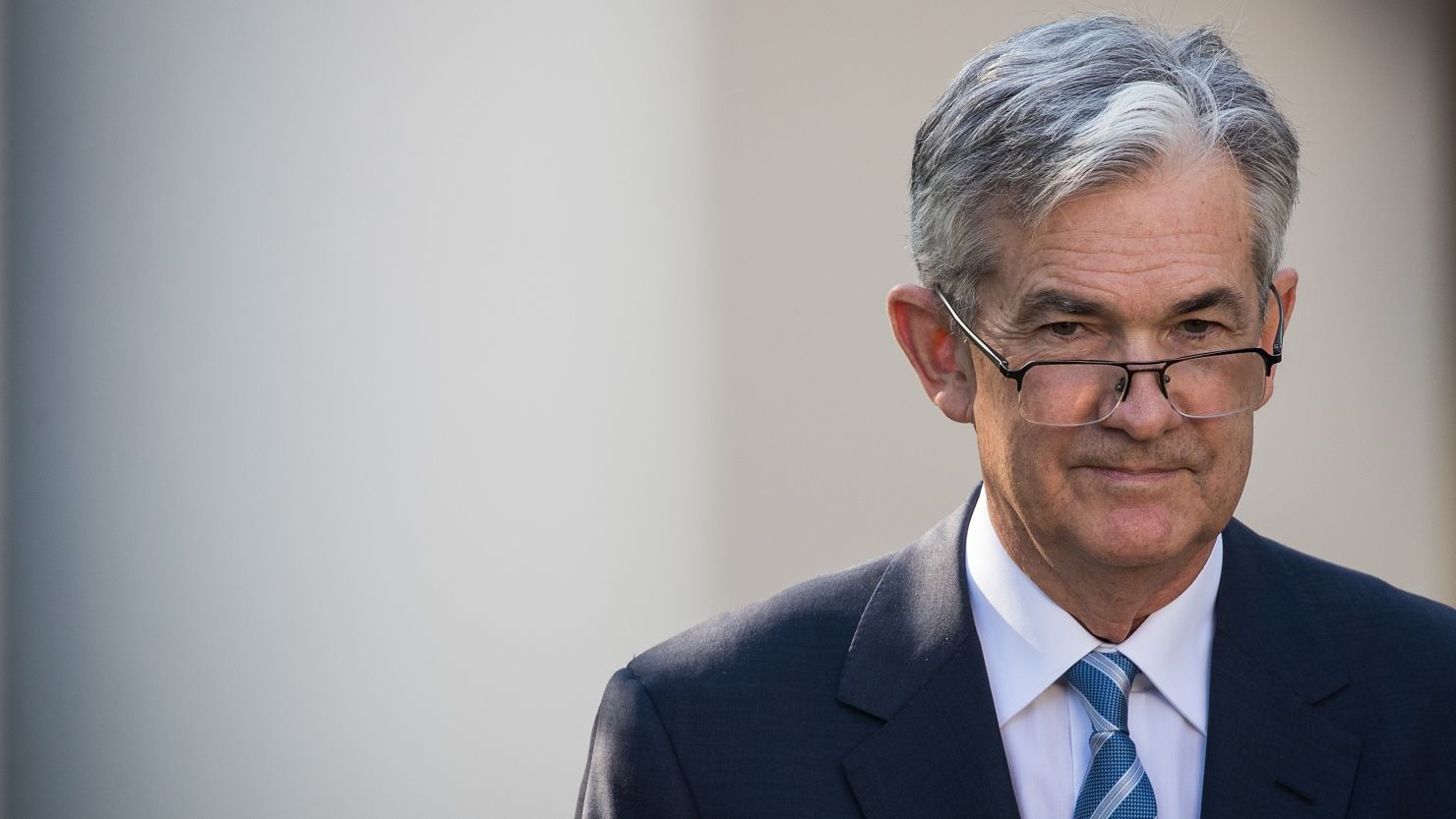
The Federal Reserve’s decision to hold its benchmark interest rate in the 3.5% to 3.75% range on Wednesday was the most anticipated non-event of the year — until Jerome Powell started talking. What followed his opening remarks sent traders scrambling for the exits in a session that turned a routine hold into a full-blown risk-off afternoon.
The FOMC voted 11-1 to keep rates unchanged, with only Governor Stephen Miran dissenting and calling for a 25-basis-point cut. That lone dissent was notable given that Miran had been pushing for accommodation since the start of the year, but the rest of the committee clearly isn’t ready to move while inflation remains above target and an active war in the Middle East keeps energy prices elevated.
Powell’s press conference sharpened the message the statement had only implied. When asked what it would take to see rate cuts resume, his response cut straight to it: “If we don’t see that progress, then you won’t see the rate cut.” That single sentence, more than any chart or projection, defined the session’s mood and knocked equities to their lows.
The Dow Jones Industrial Average dropped 768 points, or 1.63%, to close at 46,225, slipping below its 200-day moving average for the first time this year. The S&P 500 fell 1.36% to 6,624.70, and the Nasdaq dropped 1.46%, finishing at 22,152. With March’s month-to-date decline now exceeding 5%, the Dow is tracking toward its worst monthly performance since 2022.
What made the session particularly uncomfortable was the timing of the Producer Price Index data, which came in hotter than expected earlier that morning. Between the PPI print, Brent crude pushing past $107 a barrel, and Powell’s remarks, the inflation narrative dominated every asset class, with Treasury yields climbing and the dollar strengthening 0.6%.
The Fed’s updated Summary of Economic Projections penciled in one rate cut for 2026, identical to the December forecast. Officials revised their GDP growth estimate slightly higher to 2.4%, while pushing their PCE inflation projection up to 2.7%. The dot plot also showed seven of 19 participants now expecting rates to stay put for the entire year, up from six in December.
The political backdrop complicated things further. Powell’s term as chair expires in May, and Trump has already nominated former Fed Governor Kevin Warsh as his successor. But Senator Thom Tillis is blocking Warsh’s Senate confirmation as leverage over a separate political dispute, which means Powell may effectively stay on as chair pro tem well beyond his scheduled exit. Powell addressed this directly, saying “I have no intention of leaving the board until the investigation is well and truly over, with transparency and finality.”
Goldman Sachs Asset Management’s Lindsay Rosner offered a measured read on where things stand: “The Fed will remain in ‘wait-and-see’ mode for now, pending clarity on developments in the Middle East. Despite higher inflation forecasts, the FOMC retains an easing bias, with a narrow majority on the committee expecting cuts to resume this year.”
That framing captures the genuine uncertainty embedded in this moment, where the macroeconomic and geopolitical signals are pulling in opposite directions and the Fed’s institutional patience is being stretched by forces well outside its control.
CME FedWatch data showed traders by Wednesday afternoon pricing in virtually no cuts for the rest of the year, a more pessimistic view than the Fed’s own dot plot. The gap between what officials project and what markets believe is itself a source of instability, and it’s unlikely to close until either inflation cools substantially or the Middle East conflict finds a resolution.
Thornburg Investment Management’s Lon Erickson put it plainly after the statement dropped: “The ongoing tension between the Fed’s inflation and employment mandates has become harder to assess amid the conflict in Iran and the resulting rise in oil prices.” That tension, unresolved and possibly deepening, will define every Fed decision between now and the end of the year.