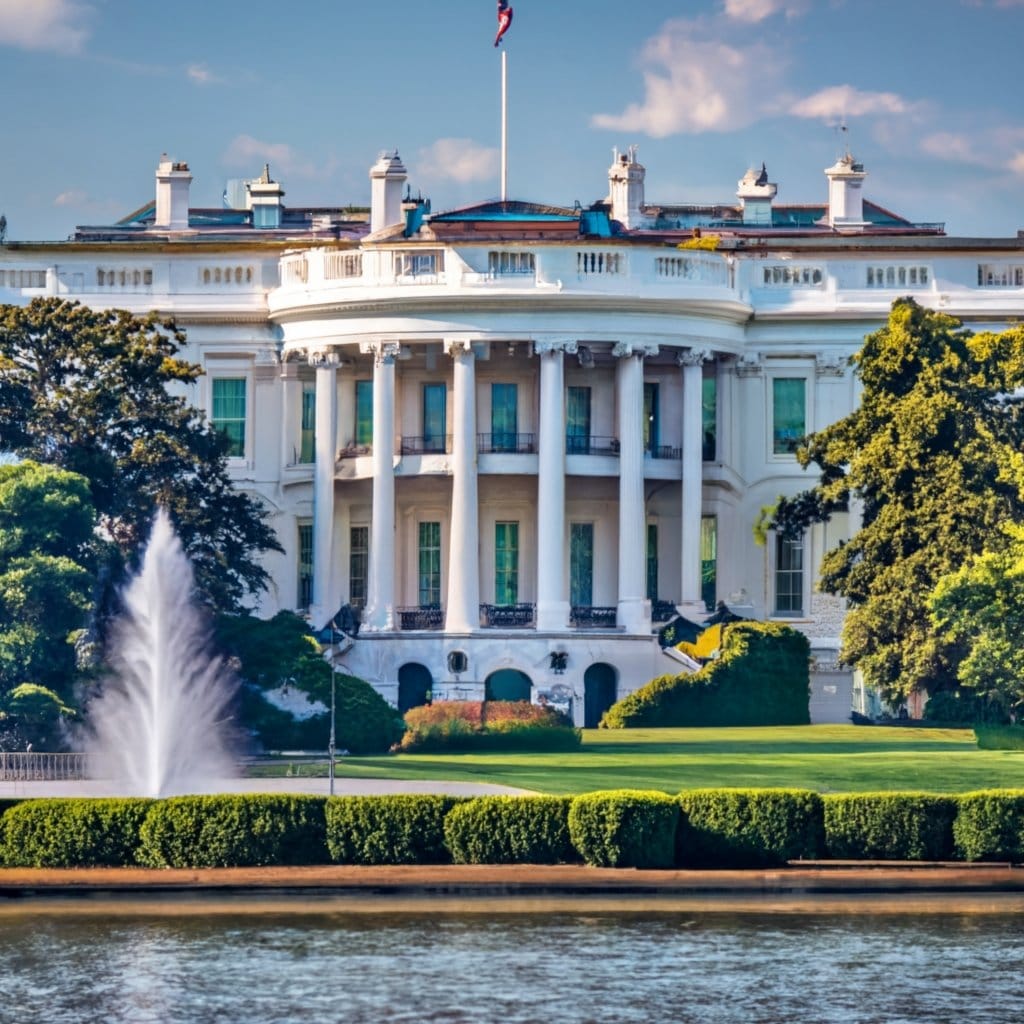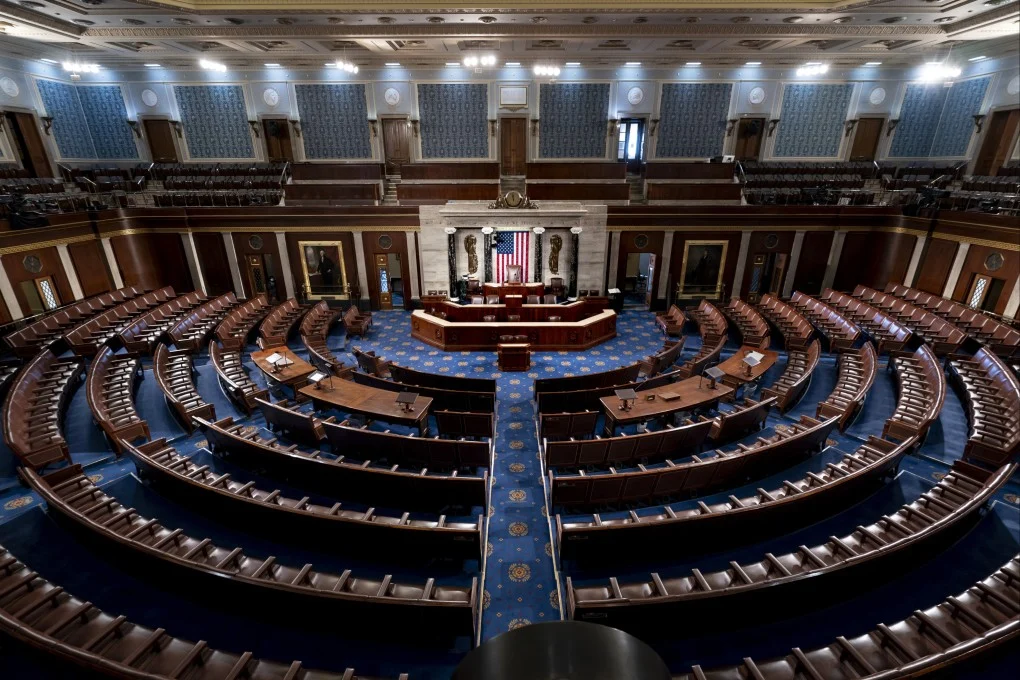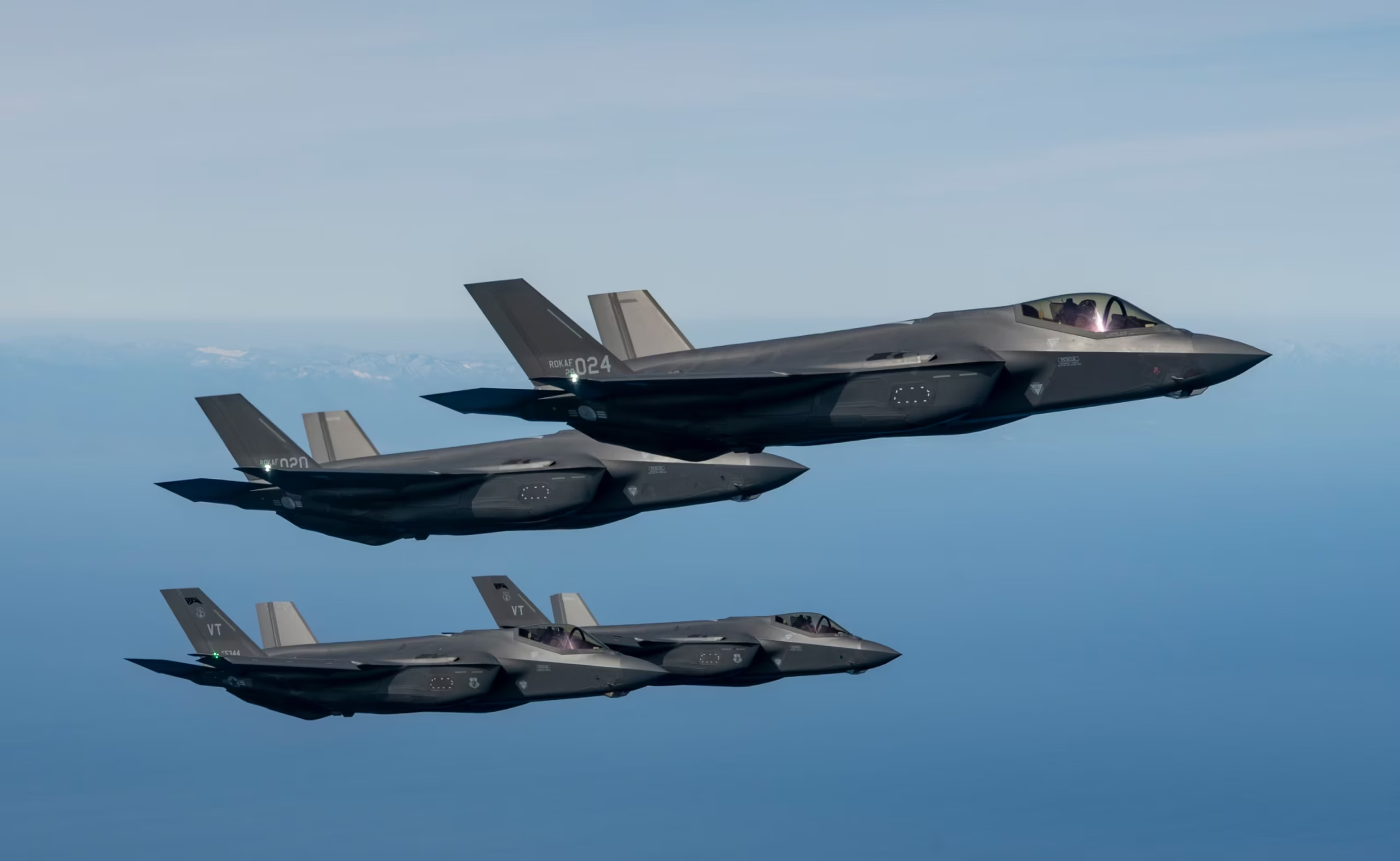
Three weeks of air strikes, thirteen American military deaths, over 230 wounded, and a $200 billion funding request sitting unanswered at the White House — and still no formal congressional vote authorising any of it.
The Iran war has entered a phase where the political architecture around it, carefully constructed by the administration through party loyalty and procedural manoeuvring, is beginning to show genuine strain. Not from Democrats, who have long been opposed, but from Republicans who supported the operation at the outset and are now demanding to know what the endgame actually looks like.
The War Powers Act gives a president 60 days to conduct military operations before requiring congressional approval or an exit. On the current trajectory, that deadline arrives around the first week of April, and lawmakers on both sides are acutely aware of it.
Senator Thom Tillis of North Carolina, a Republican and no reflexive critic of Trump, put it plainly to the Associated Press: “The real question is: What ultimately are we trying to accomplish?” He also said he “generally supports anything that takes out the mullahs,” but added that there has to be “a kind of strategic articulation of the strategy, what our objectives are.” That is not an anti-war statement — it is a warning.
Tillis went further in outlining the legal reality: “When you get into the 45-day mark, you’ve got to start articulating one of two things — an authorization for the use of military force to sustain it beyond that or a very clear path on exit.” The administration is now squarely inside that window, and the $200 billion war funding request — a sum that would represent the single largest emergency military appropriation in US history — is the mechanism through which Congress will exercise its leverage. Several Republicans have made explicit that the funding vote and a strategic briefing are inseparable.
Senator Lisa Murkowski, Alaska’s centrist Republican and a senior member of the Senate Appropriations Committee, said she will withhold her vote on war funding until the White House presents a clear plan. “The people in Alaska are asking me how long is this going on? Are there going to be boots on the ground, how much is this going to cost?” she told reporters. “The answer to most of this is I don’t know.” Coming from someone of Murkowski’s seniority and institutional credibility, that statement carries weight well beyond one senator’s personal position.
The boots-on-the-ground question is, if anything, even more sensitive. GOP Representative Derrick Van Orden, a former Navy SEAL who retains deep credibility on military matters within the Republican caucus, said he has specifically advised the administration against deploying ground troops inside Iran: “I don’t want to see it.” Representative Thomas Massie, the Kentucky fiscal hawk, framed the $200 billion figure in terms designed to make other Republicans uncomfortable: “It begs the question, how long do they plan to be there? What are the goals? Is this the first $200 billion? Does this turn into a trillion?”
House Speaker Mike Johnson has publicly maintained the administration’s optimistic framing, saying the original mission is “virtually accomplished” and that the Strait of Hormuz situation is “dragging it out a little bit.” He added: “As soon as we bring some calm to the situation, I think it’s all but done.” The problem with that framing is that the Strait of Hormuz has been closed for three weeks and Iran’s foreign minister stated publicly this past week that his country would not be “swayed by more threats.” That does not read as a country preparing to back down quietly.
Trump’s own messaging remains the wildcard. On Friday he told reporters he was considering “winding down” operations, that the US was “weeks ahead of schedule,” and that from “a military standpoint, they’re finished.” Within 24 hours he issued a 48-hour power plant ultimatum and announced 2,500 more Marines were deploying. The oscillation makes strategic planning for Congress essentially impossible, which may be precisely the intent — keeping allies and adversaries alike uncertain about what comes next.
The Democratic critique has shifted in tone from opposition to something sharper: weaponising the contradiction between the war’s costs and the domestic programme cuts Republicans already voted for. One Democratic senator asked directly, on the floor, why Congress is being asked to approve $200 billion in emergency war spending while Medicaid cuts and SNAP reductions from last year’s reconciliation bill are actively removing healthcare and food access from millions of Americans.
That framing — war money versus domestic need — is designed to make vulnerable Republicans uncomfortable heading into a midterm environment where the economy and the cost of living are already dominant voter concerns.
How Republicans navigate the next 30 days will likely define the political legacy of this Congress’s first term. Authorising the war formally means owning every subsequent casualty. Refusing to authorise it means defying a wartime president. There is no clean path, and the clock embedded in the War Powers Act ensures the choice cannot be avoided indefinitely.