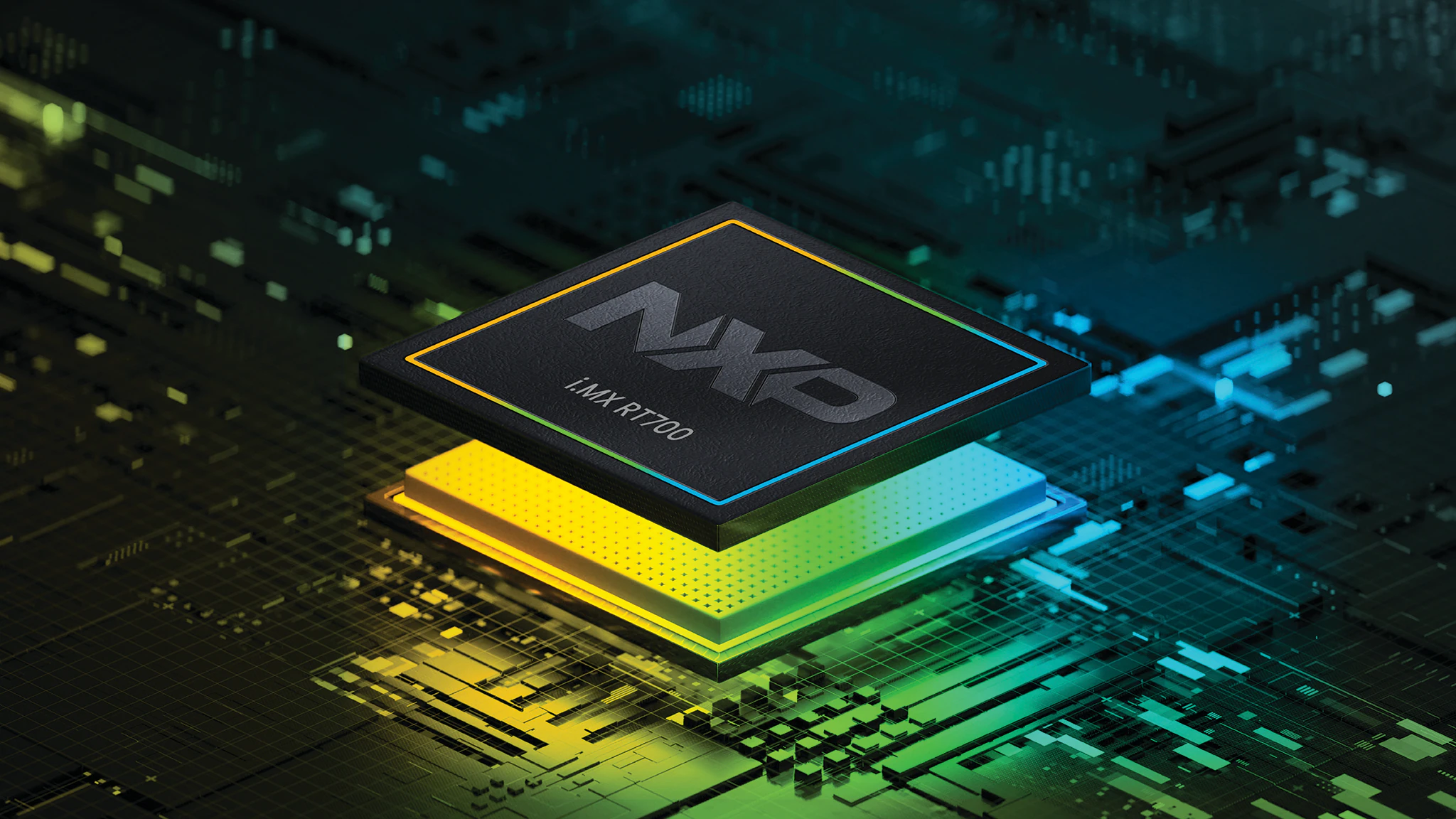
NXP Semiconductors is a NASDAQ 100 company, with a market capitalization of $49 billion.
Every major technological transition in modern history has required an enabling layer that the public rarely sees. The railways needed steel and signalling. The internet needed fibre and switching equipment. The current wave of electrification, automation, and intelligent connectivity is no different. It requires semiconductors, and it requires them in vast quantities, across an extraordinary range of applications, built to standards that consumer electronics rarely demand.
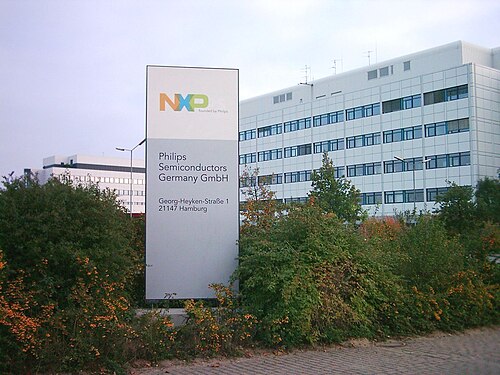
NXP Semiconductors is one of the companies positioned at that enabling layer. A constituent of the NASDAQ 100 and headquartered in Eindhoven, Netherlands, NXP operates across automotive, industrial, mobile, and connected infrastructure markets.
Its revenue is not driven by consumer sentiment or hardware upgrade cycles. It is driven by the pace at which the world’s critical systems become more electrified, more automated, and more secure. That distinction matters considerably when assessing the company’s long-term relevance.
Automotive: The Defining Opportunity of the Decade
The transition to electric and software-defined vehicles has fundamentally altered the semiconductor content of the modern automobile. A contemporary high-specification vehicle may incorporate well over a hundred chips spanning compute, sensing, networking, and power management. Each new generation of vehicle architecture demands more capable, more reliable, and more deeply integrated silicon.
NXP has spent decades cultivating its position in this market. Its S32 automotive processor family supports the zonal architectures that leading manufacturers are adopting to manage software complexity and enable over-the-air updates at scale. Its radar technology underpins collision avoidance and assisted driving systems across a broad range of global platforms.
Automotive qualification processes are lengthy, technically demanding, and relationship-dependent. They are not navigated quickly by new entrants. NXP’s established standing with original equipment manufacturers and tier-one suppliers represents an asset that has compounded over many years and is not straightforwardly replicated.
Embedded Security: Infrastructure for a Connected World
Parallel to its automotive work, NXP has built a formidable position in secure connectivity. Its near-field communication and secure element technologies are embedded in payment systems, national identity documents, transit infrastructure, and physical access control platforms operating at global scale.
The company began investing seriously in hardware-level security architecture well before the issue achieved mainstream commercial and regulatory urgency. The consequence of that foresight is a body of expertise and a portfolio of certified products that address requirements which cannot be met by software-layer solutions alone.
As connected device populations continue to expand across consumer, industrial, and governmental domains, the demand for embedded security designed into silicon from the outset will only deepen. NXP’s position in this space is the product of deliberate long-term investment, not opportunistic repositioning.
Industrial and Edge: Revenue Built on Durability
NXP’s i.MX application processors and microcontroller families serve industrial automation, robotics, smart energy infrastructure, and building management systems across a wide range of geographies and sectors. These applications share a common characteristic: they prioritise sustained reliability and supply continuity over peak specification.
The company’s crossover microcontroller architecture, designed to combine real-time control with connectivity and human interface capability, has addressed a category of industrial application that conventional product families served inadequately.
Industrial procurement operates on fundamentally different logic to consumer markets. Qualification is rigorous. Supplier relationships are maintained over years. The cost and disruption associated with changing silicon vendors mid-programme is substantial. Revenue from established industrial positions is accordingly more durable and more predictable than equivalent revenue derived from markets driven by discretionary purchasing.
A Portfolio Shaped Around Structural Demand
The common thread running through NXP’s market focus is structural demand. Automotive electrification is a multi-decade transition mandated by regulation, driven by economics, and accelerating globally. Industrial automation is expanding as labour costs rise and operational efficiency requirements intensify. Secure connectivity is becoming a baseline requirement for governmental, financial, and commercial infrastructure worldwide.
NXP has not arrived at these markets recently. It has spent decades building the engineering capability, customer relationships, manufacturing infrastructure, and software ecosystems required to serve them at scale. Its NASDAQ 100 membership reflects the commercial significance the company has achieved through that sustained commitment.
The semiconductor industry encompasses a wide spectrum of business models, timeframes, and risk profiles. At one end sit companies competing on the frontier of raw computational performance, where product cycles are short and competitive dynamics shift rapidly. At the other sit companies whose value derives from deep integration into systems with long operational lives, high switching costs, and non-negotiable reliability requirements.
NXP operates firmly in the latter category. The markets it serves are becoming more important as global systems grow more complex. The expertise required to address those markets has been built over a period that cannot be compressed.
For analysts and investors oriented toward durable, structurally-grounded positions within the semiconductor sector, NXP Semiconductors merits careful and considered attention.