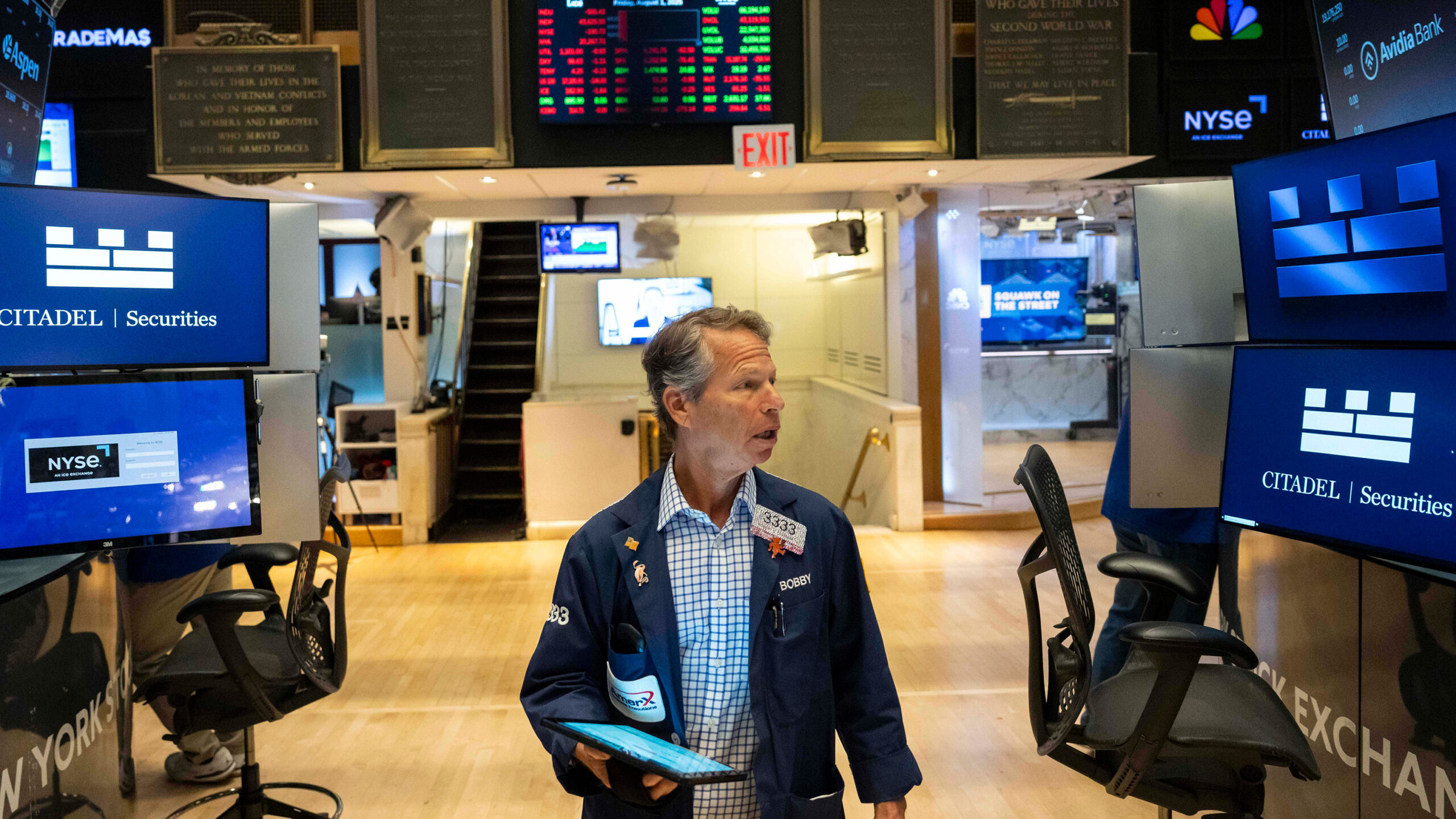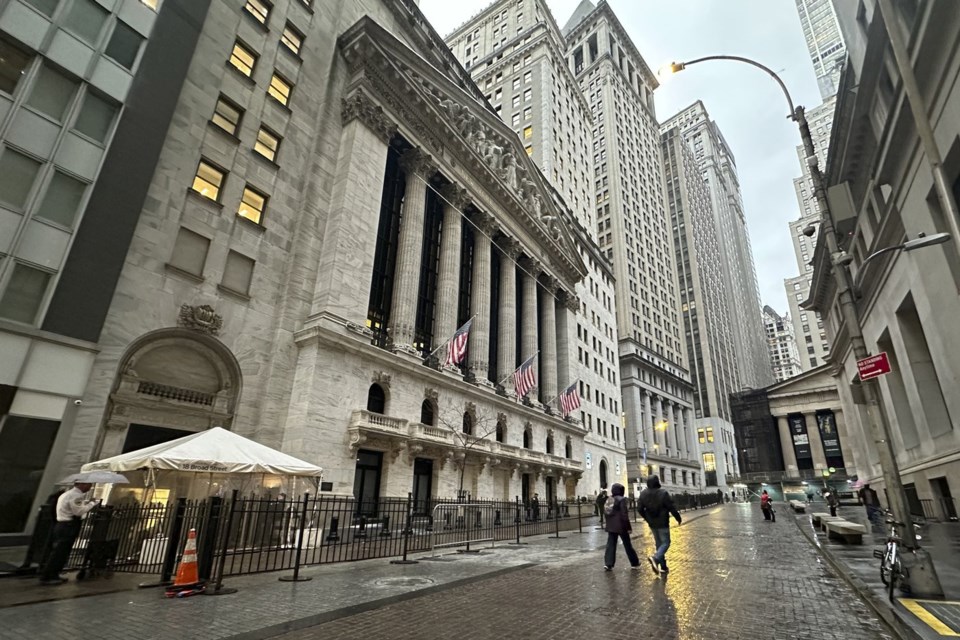
The New York Stock Exchange and Nasdaq closed on Good Friday, April 3, in observance of the holiday, giving markets a four-day pause at the end of a volatile and unusual week dominated by geopolitical shock and corporate earnings. Trading is scheduled to resume Monday, April 6, at the standard 9:30 a.m. Eastern time opening bell.
The bond market similarly observed a full closure for the day, per the Securities Industry and Financial Markets Association’s calendar.
Markets coming into the break had managed a narrow positive week on balance. The S&P 500 gained roughly 3% for the week ending April 3, snapping five consecutive weeks of declines.
The catalyst was a Wall Street Journal report suggesting President Trump was open to a resolution with Iran that would not require the reopening of the Strait of Hormuz as an immediate condition — interpreted by traders as a possible off-ramp from a conflict that has sent oil prices surging close to $110 a barrel.
That optimism was tested almost immediately by Trump’s prime-time address on Wednesday evening, in which he promised continued “extremely hard” strikes on Iran over the next two to three weeks. Stock futures fell sharply after the speech, reversing the recovery that had built through the week. By Thursday, though, some of that ground was recovered, with the S&P 500 finishing essentially flat on the day and the Nasdaq edging fractionally higher.
When markets reopen Monday, investors face a dense calendar. The most important event is Friday’s March CPI report, which will incorporate the inflationary effects of the Iran war and rising energy costs. PCE data for February, Fed minutes from the most recent policy meeting, and weekly jobless claims will also land across the week. Any signs that oil-driven inflation is seeping into core consumer prices would significantly complicate the Federal Reserve’s position — and its ability to begin cutting rates in the near term.
The underlying tension in markets is a familiar one: equities have largely decoupled from day-to-day developments in the Iran conflict, absorbing both setbacks and tentative hope without dramatic moves, but the structural risk from sustained high oil prices remains very real.
Energy prices above $100 per barrel for an extended period historically translate into demand destruction, and at $4 a gallon for gasoline — the highest since 2022 — American consumers are beginning to feel that pressure directly.