The United States and Japan have carried out their first coordinated yen-buying intervention in nearly three decades after the yen weakened to a 40-year low against the dollar.
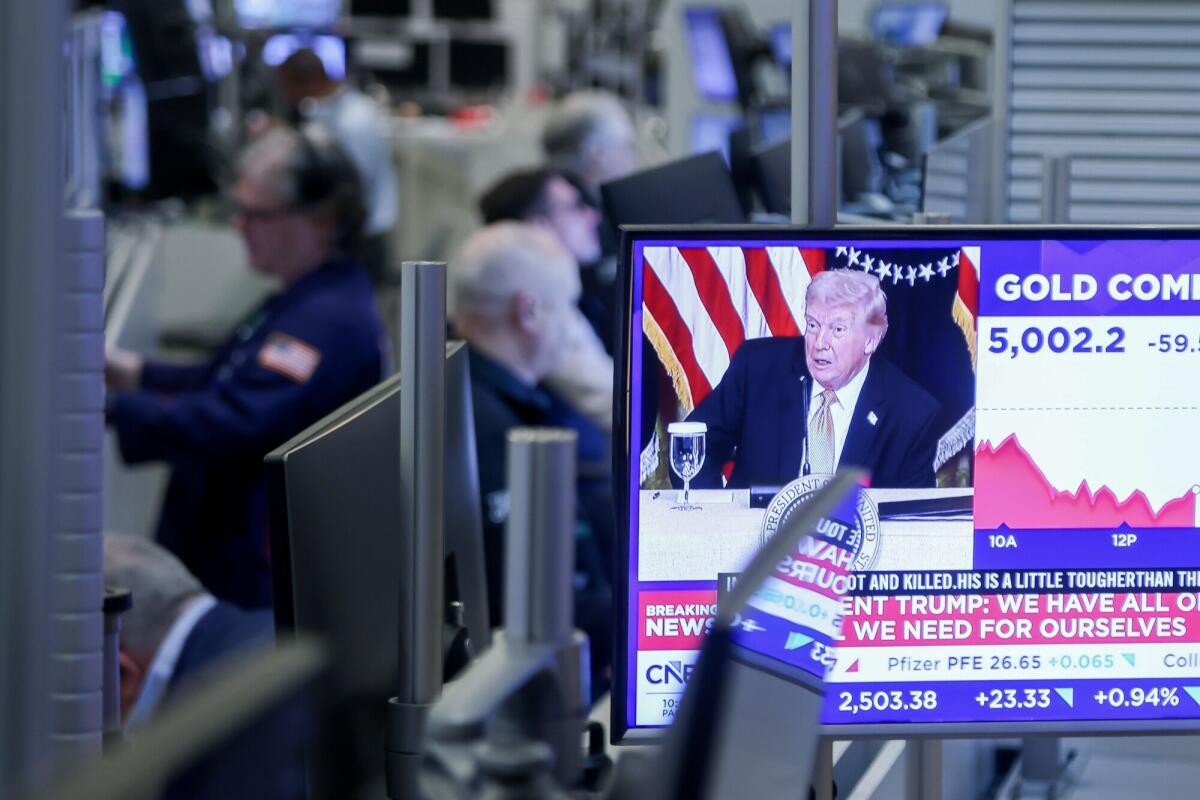
The Japanese Ministry of Finance confirmed the joint intervention following a statement by President Donald Trump, who announced Washington was stepping in to support the yen as a gesture of friendship and global economic stability.
“They have a weakening yen, and they wanted a little bit of help. And we’re always there for Japan,” Trump said.
The Japanese currency gained as much as 1.4%, hitting a nearly three-month high of 155.20 per U.S. dollar, compounding a 3.8% surge recorded across the previous two trading sessions.
The yen also advanced broadly against other major currencies, including the euro and sterling, reflecting the significant market impact of the coordinated action.
Japanese Finance Minister Satsuki Katayama confirmed the operation and warned that the two countries stand ready to intervene again if market conditions require further action.
U.S. Treasury Secretary Scott Bessent echoed that position, with both countries signaling they will not hesitate to conduct additional joint interventions going forward.
Bank of Japan data indicated that Tokyo may have sold almost $59 billion in U.S. dollars to buy yen when it intervened in New York markets before the confirmed joint action with Washington took place.
A Reuters photograph of a notepad visible in front of Bessent during a cabinet meeting indicated a directive to buy Japanese yen in the range of $5 billion to $10 billion, though the U.S. has not officially confirmed the size of its contribution.
The latest coordinated move marks the first joint intervention since 2011, when the two countries acted together to weaken the yen following the devastating earthquake in eastern Japan.
Despite the short-term boost, analysts are skeptical that intervention alone can reverse the structural forces weighing on the yen, including rising fuel costs tied to Middle East tensions and persistently wide Japan-U.S. interest rate differentials.
“The announcement effect of joint intervention is much bigger than solo action by Japan,” said Tsuyoshi Ueno, a senior economist at NLI Research Institute, though he noted the yen fell after the announcement as the move was largely within market expectations.
A lasting yen recovery will likely depend on whether the Bank of Japan follows up with interest rate hikes that would narrow the gap with U.S. rates and reduce the appeal of cheap yen borrowing strategies.
The Bank of Japan on Friday offered its most explicit signal yet of an early rate hike, even as it kept its current monetary policy settings unchanged, aligning with Bessent’s repeated public calls for higher Japanese interest rates.
“The United States agreed to participate in the coordinated intervention because it serves its national interests by offering the prospect of significant benefits at a low cost,” said Shigeto Nagai, head of Japan economics at Oxford Economics.
Nagai added that the two countries are expected to intervene “intermittently in a coordinated manner for some time,” and that “even if the actual amount of intervention is not particularly large, the prolonged sense of vigilance regarding intervention will be effective in deterring speculators.”
The sharp currency move immediately weighed on Japanese equities, with the Nikkei share average tumbling and reversing course from the one-week high it had reached in the prior session.